ArtexOVERVIEW
Artex, dealt with safely
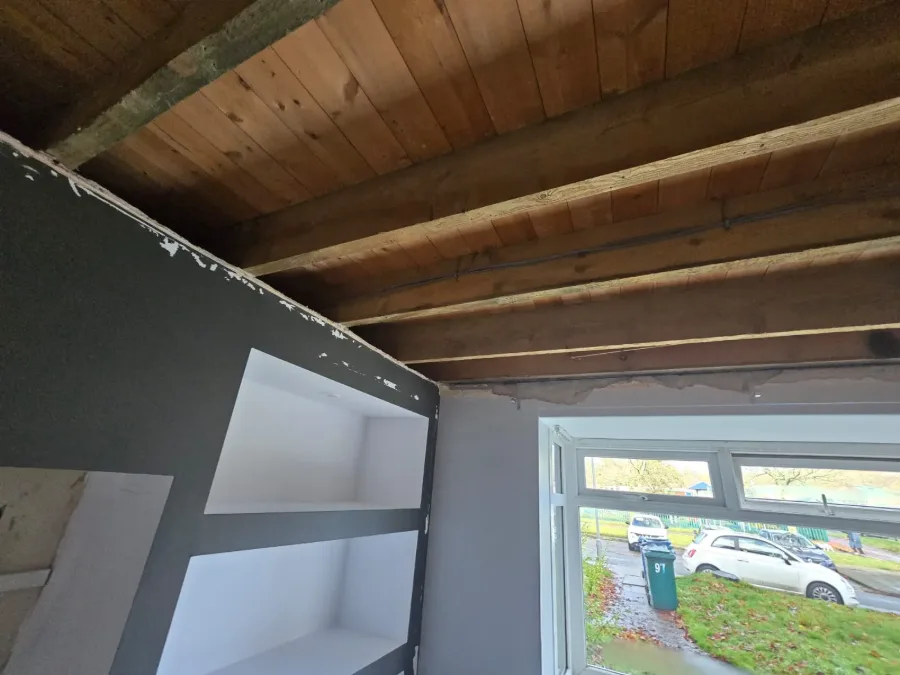
Artex and other decorative textured coatings were hugely popular on UK ceilings and walls from the 1960s through to the 1980s. Coatings applied before the mid-1980s frequently contained white (chrysotile) asbestos, which means millions of homes still have it overhead today, often without the owners realising.
Left alone and in good condition, asbestos Artex is low risk, but the moment it is scraped, sanded, drilled or skimmed over incorrectly, it can release fibres. That is exactly why so many people run into trouble during a simple redecoration or ceiling repair. The safe approach is to have it tested first, then either removed under proper controls or sealed in place.
Innov8 UK Group removes and encapsulates asbestos textured coatings across the UK. Removal of textured coatings is normally non-licensed work (notifiable non-licensed work in some cases). It is carried out by trained operatives with dust controls, double-bagged disposal and waste consignment notes, and we can make the ceiling good afterwards so it is ready for decoration.
Removal or overboard — how to decide
There are two proper ways to deal with an asbestos textured coating: remove it, or bury it. Overboarding — screwing new plasterboard through the coating into the joists and skimming over it — leaves the asbestos sealed in place, undisturbed, at a lower cost than removal. It suits ceilings in good condition where nothing else is planned: no downlights, no rewiring, no loft conversion, nothing that would ever break the surface again. The asbestos stays in the building, so it stays on the record for any future survey or sale.
Removal costs more up front but ends the matter: the coating is gone, the certificate proves it, and no future refit, buyer or surveyor has to think about it again. It is the right call where the ceiling is damaged or water-stained, where refurbishment will disturb it anyway, or where you simply want the liability out of the property.
What is never acceptable is sanding, scraping or steaming a textured coating off as if it were ordinary decoration — that is exactly how fibres are released, and it is the single most common DIY mistake we are called in to clean up after.
How we remove textured coatings
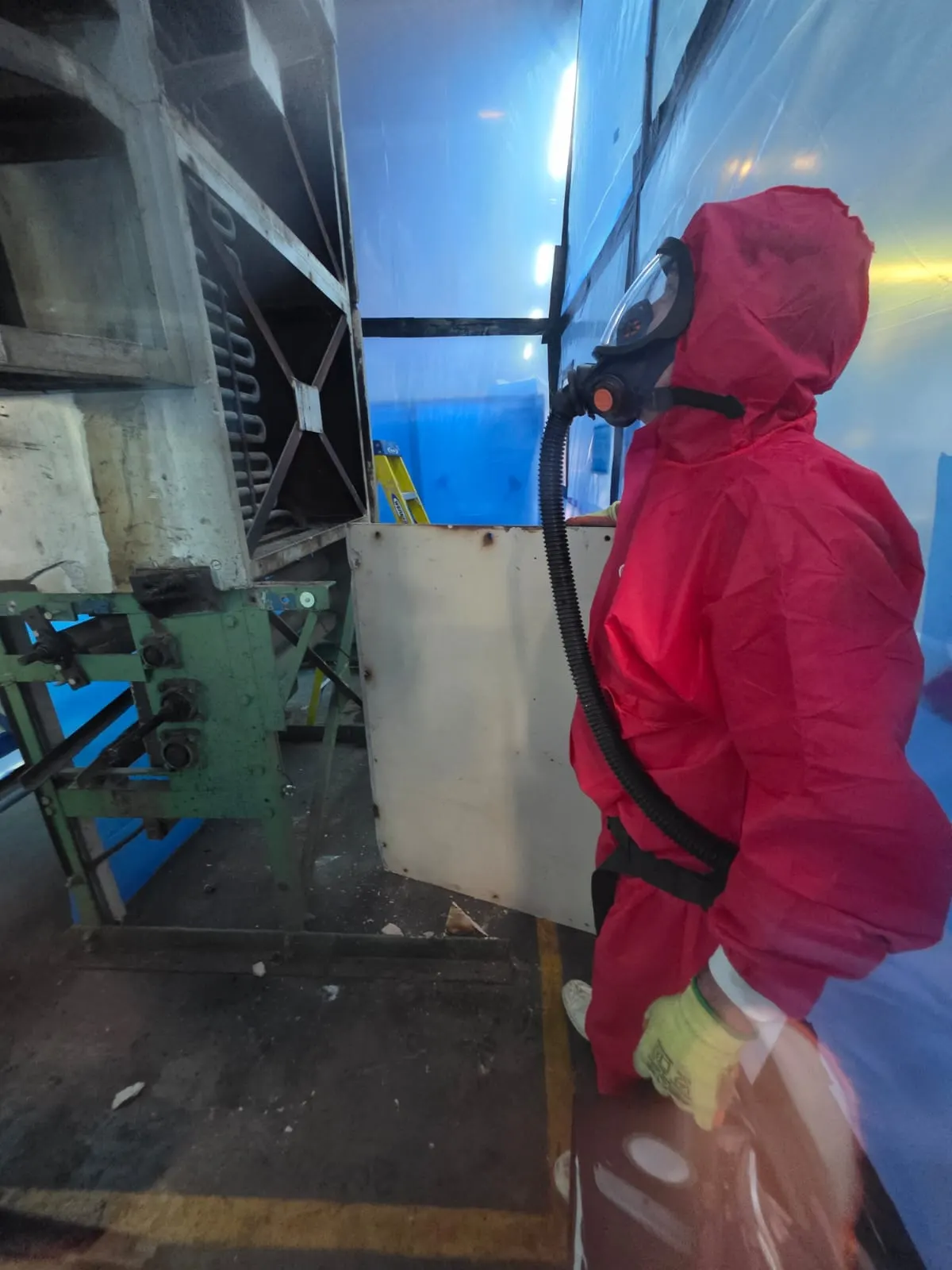
Textured coating removal is non-licensed work under CAR 2012, but non-licensed does not mean casual. The room is sheeted out in polythene, furniture and floors are protected, and the work area is kept under control while operatives in the correct RPE and disposable coveralls work the coating off using dampening and controlled techniques that keep fibre release down, never dry abrasion.
Everything stripped comes away as asbestos waste: double-bagged, consignment-noted and disposed of at a licensed facility. The room is cleaned down, visually inspected and handed back ready for the plasterer, and where you want it we re-skim or overboard as part of the same job so you are not left chasing a second trade. You get the waste paperwork for your records either way.
Testing first
Not every textured coating contains asbestos — use stopped through the 1980s and plenty of ceilings were skimmed in plain plaster afterwards. A
sample and UKAS lab test settles it, with results typically within 48 hours, and if it comes back clear you can treat the ceiling like any other. Our
Artex guide covers what to look for before you book anything.