Removing asbestos is not always the right answer. Where a material is in good condition and unlikely to be disturbed, taking it out can actually create more fibre-release risk, and more cost, than leaving it safely sealed. Encapsulation is the recognised alternative: coat, enclose or overboard the material so the fibres are locked away and the surface is protected.
Encapsulation suits asbestos that is in good condition, unlikely to be disturbed, and in a location where removal would cost more or create more risk than sealing it. A sound sprayed coating high in a plant room, AIB panels in a locked riser, lagging on a pipe run nobody will ever open up — sealing these in place controls the risk without the enclosures, downtime and cost of a licensed removal, and without disturbing fibre that is currently sitting quietly.
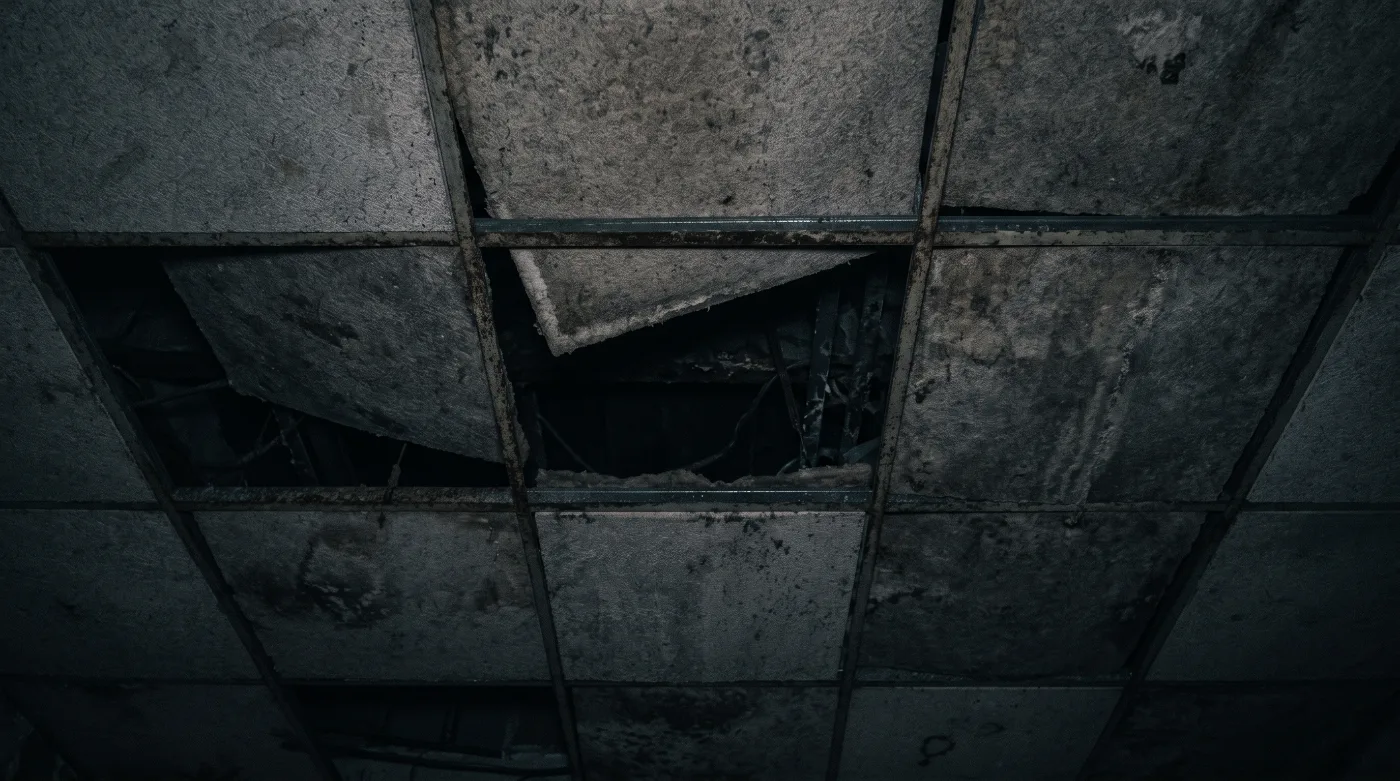
The judgement is condition plus future use: a sound ceiling in a storeroom is a different proposition from the same ceiling above a workshop.
It does not suit damaged or deteriorating material, anything in a high-traffic or high-disturbance area, or material that refurbishment or demolition is about to disturb anyway — encapsulating a ceiling this year and cutting through it next year is money spent twice.
We will tell you when removal is the better answer, even though encapsulation is the cheaper job for us to win. That is the point of surveying before quoting: the recommendation follows the condition of the material, not the price list.
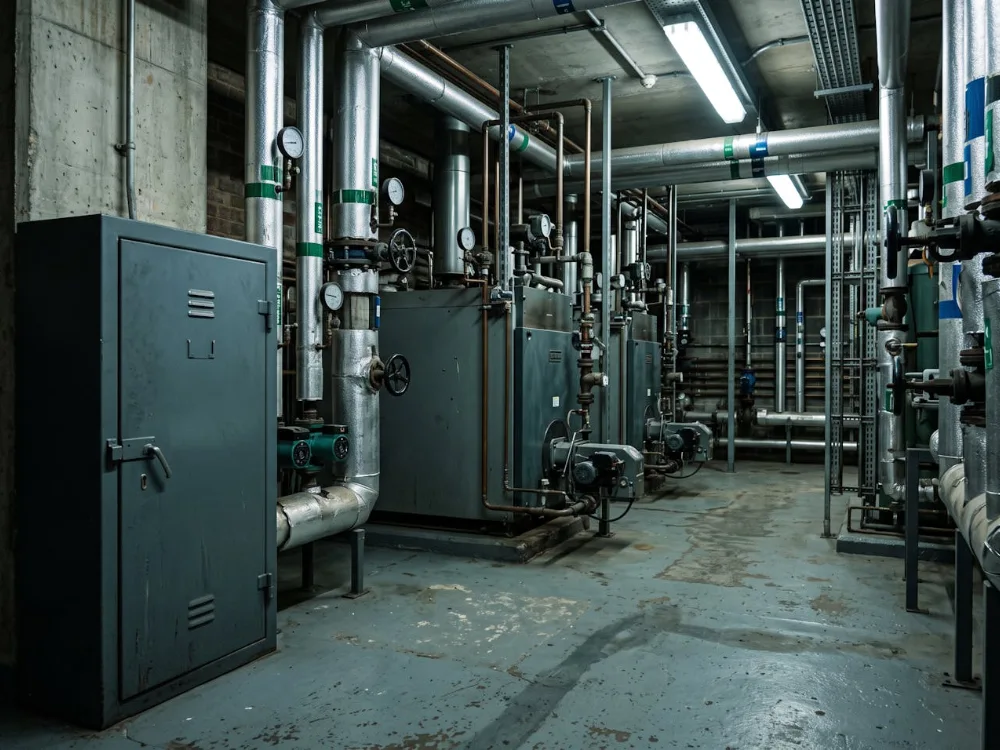
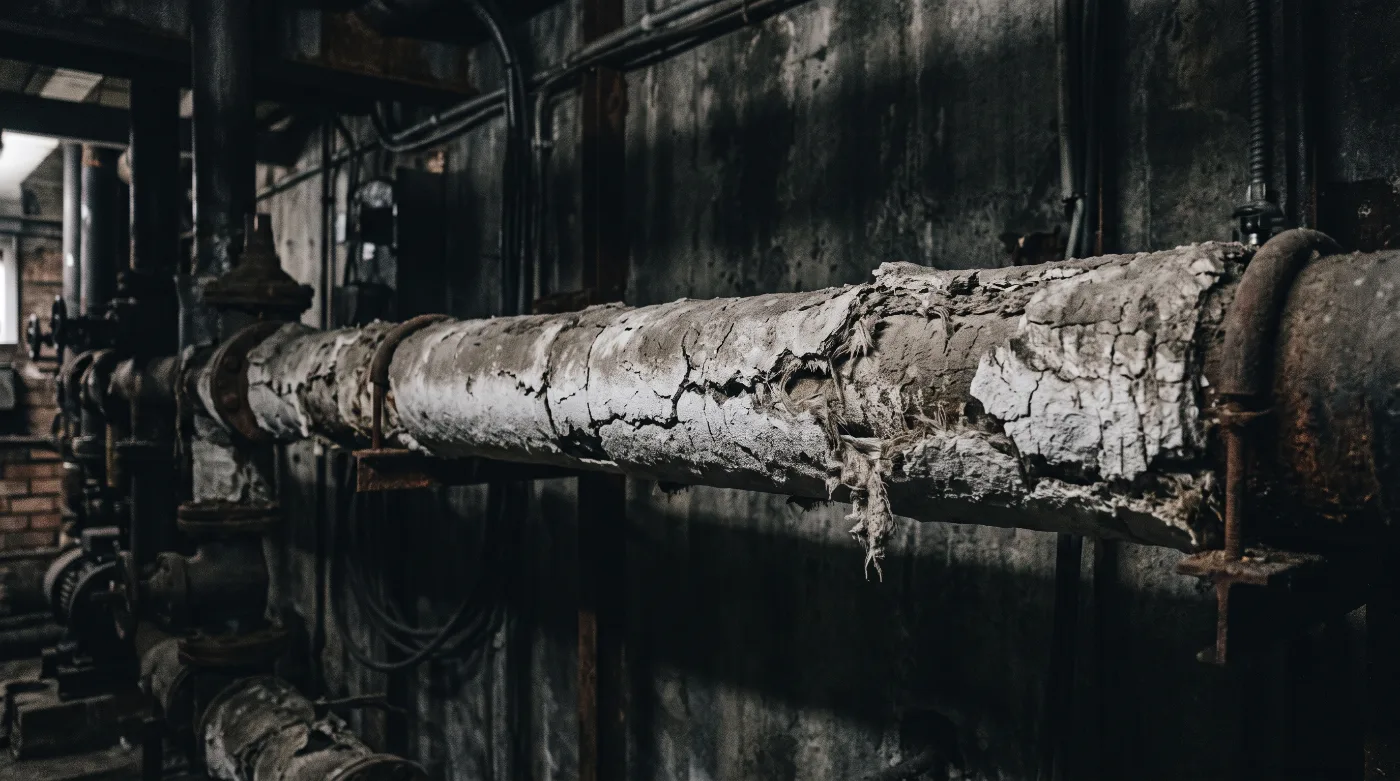
Pipe lagging in good condition, out of reach and away from maintenance access, can be encased and managed. Damaged lagging, or lagging in a plant room where engineers work around it, is not a case for encapsulation — the disturbance risk is too high and removal is the right answer.
Yes. Asbestos in good condition that won’t be disturbed can legally stay where it is, provided it’s identified, recorded and managed: that’s exactly what encapsulation and a management plan are for. The material gets sealed, logged and re-checked, and removal only happens if its condition or your plans change.
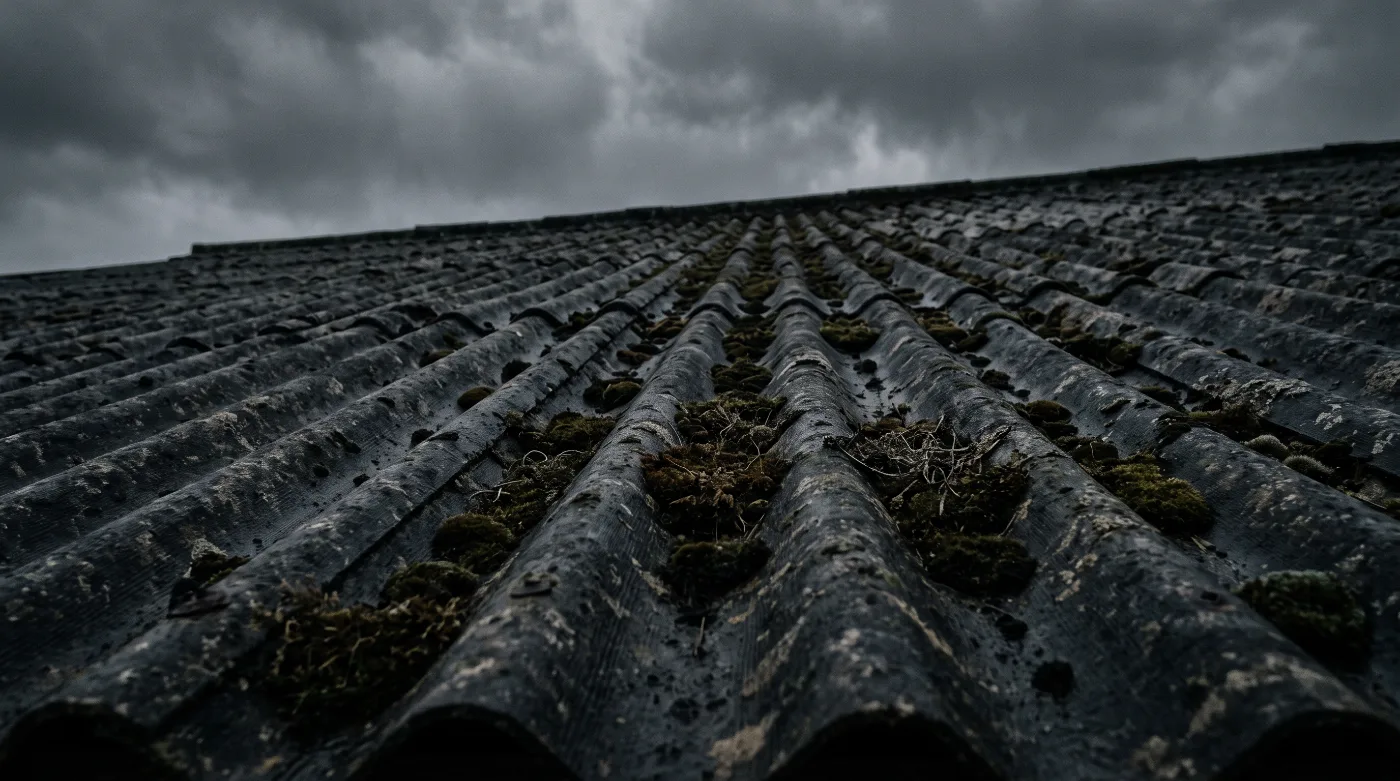
Encapsulation is fully supported by HSE guidance for the right materials, sound asbestos insulating board, textured coatings, pipe insulation and similar. It is typically quicker, less disruptive and cheaper than full removal, with far less waste.
Encapsulation seals the material behind a coating, board or enclosure so fibres cannot escape, at a fraction of removal cost. On Artex, for example, skimming or sealing over a sound ceiling costs a fraction of removal (which runs £25–£60/m²).
Because we price removal and encapsulation side by side, you get the genuine comparison: cost now, cost over ten years, what happens when you eventually refurbish. Sometimes removal wins outright — if the area is being stripped anyway, encapsulation just defers the inevitable. Both options arrive costed in the same quotation, with our recommendation and the reasons for it.
Five things settle it: the condition of the material, where it sits, how likely it is to be disturbed, what you plan to do with the building, and cost over time rather than cost this month. A survey answers the first three, your plans answer the fourth, and our costs guide covers the last. One visit, and you get a firm recommendation either way.
Encapsulated asbestos is still asbestos. It stays on the register, it stays in the management plan, and it still needs re-inspection on a set cycle — because the encapsulation itself can be damaged, and a sealed panel that has been drilled through is no longer sealed.
Encapsulate-and-forget is how today’s saving becomes a bigger bill in five years. What we hand over reflects that: a record of exactly what was sealed, where, with what system, and when it should next be checked, ready to drop into your register. The duty to manage carries on; our paperwork makes carrying it straightforward.
Elastomeric coatings soak into and seal friable surfaces like sprayed coatings and lagging. Overboarding puts a mechanical barrier over AIB ceilings and walls. Full enclosure boxes in whole risers or ducts. Each is matched to the material, and each is labelled so no future trade meets it unaware.
Coating: Bostik Idenden ET-150. This is the industry-standard asbestos encapsulant, and it is what we use on sound insulating board, pipe lagging and sprayed coatings. It is a water-based co-polymer emulsion that seals the surface and locks fibres in, and it doubles as a vapour barrier. We apply a minimum of two coats — sprayed where the area allows, brushed or rolled where it doesn't — at around 3 to 4 square metres per litre per coat. The two coats go on in contrasting colours (it comes in white, grey and black) so we and the analyst can see that nothing has been missed. It is touch-dry in about two hours and fully cured in 24. Applied as two coats it carries a Class 0 fire rating to Building Regulations (BS 476 Parts 6 and 7), which matters in plant rooms, risers and escape routes.
Boarding over and boxing in. Where a coating alone would not survive — a material in a corridor, a cupboard in daily use, anywhere it will take knocks — the material can be enclosed behind a fixed board or a sealed casing. Whether to board, and what with, is your decision: standard plasterboard where there is no fire requirement, fire-rated board where the location needs it, such as a protected route or a plant room. We keep fixings clear of the asbestos and seal the edges, and the register records what is behind the board.
Wrapping. Sound pipe lagging that is staying in place is coated and then wrapped and banded, so the coating is protected from contact and the pipe is clearly identifiable as asbestos on the register.
Is encapsulation licensed work? It depends on the material, how much of it there is, and how long the work takes — and we make that call on every job with a written risk assessment before we start. Sealing insulating board, pipe lagging or sprayed coatings can be licensed work, notified to the HSE fourteen days ahead. Where the material is sound, the quantity is small and the job is short, the same work can fall under notifiable non-licensed work, or for very small amounts, ordinary non-licensed work with no notification at all. Coating textured coatings and cement products is non-licensed. Whichever category applies, the material is labelled, added to your register with its location and condition, and given a re-inspection date in your management plan.
Manchester-based and working nationwide. Pick your area for local detail, or call us wherever you are, we cover the whole country.