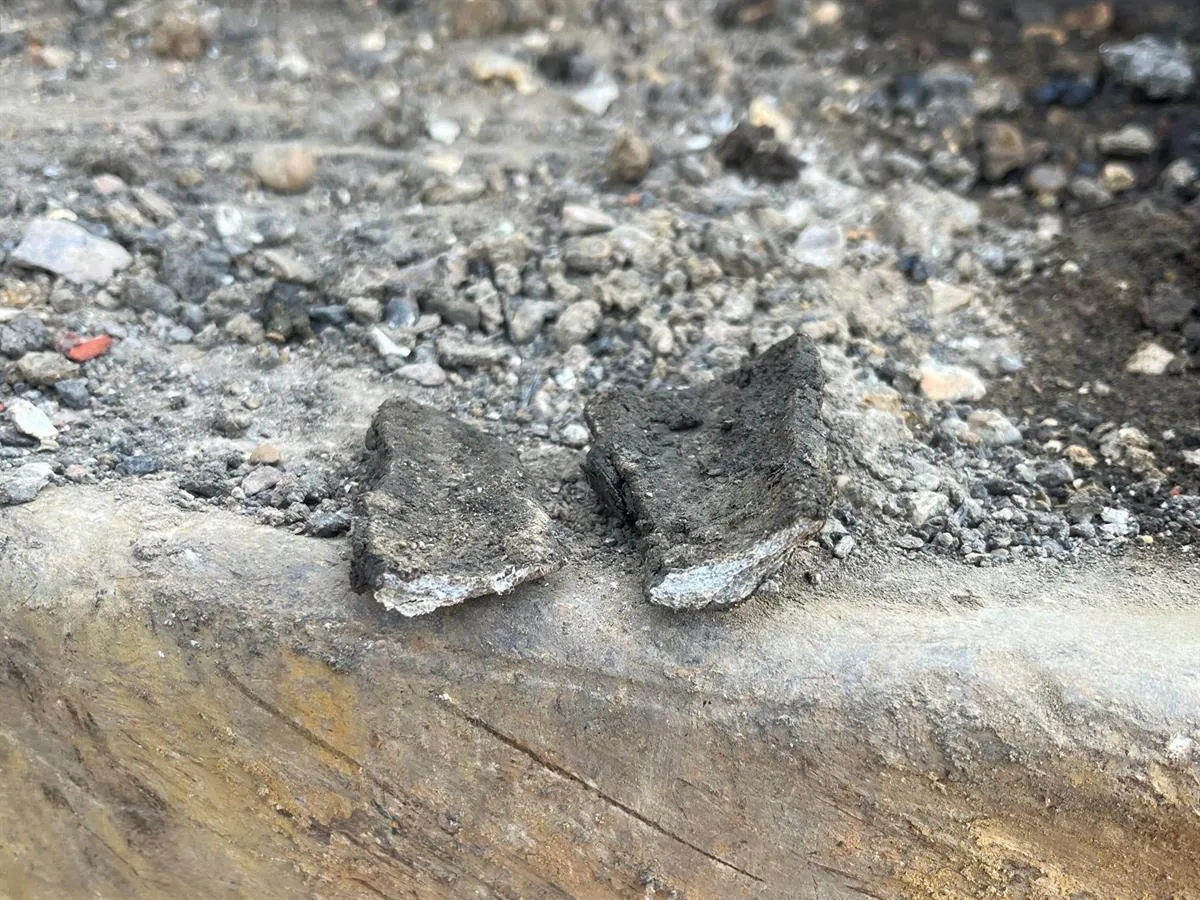
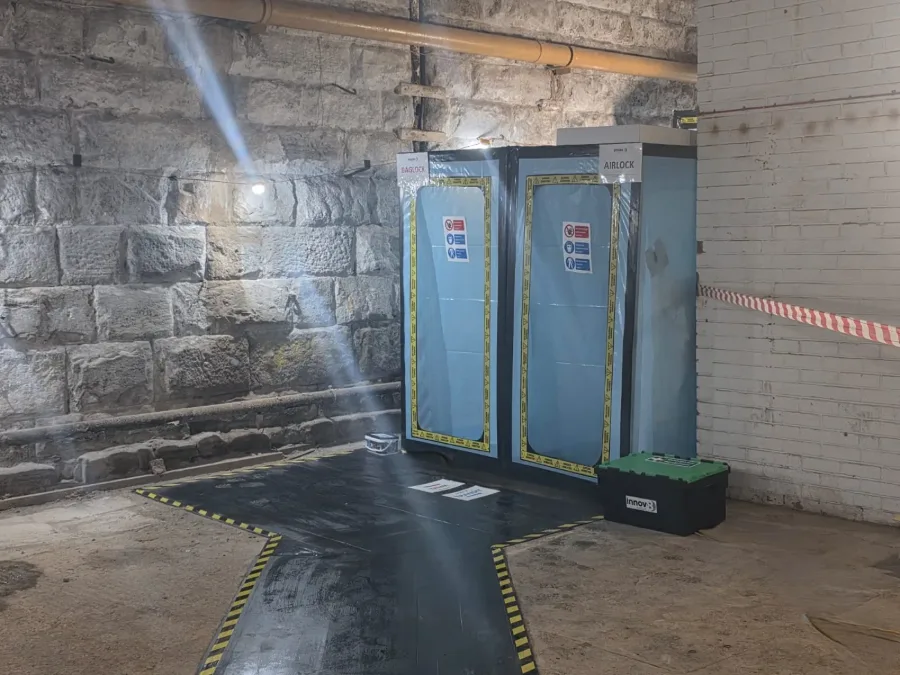
Demolished buildings, fly-tipping and decades of industrial fill have left asbestos in the ground across the North West’s brownfield sites, and it stalls developments until it’s dealt with.
01
Where it turns up
Made ground on former industrial sites, garden soils where garages and sheds burned down or were flattened, farm tips and infilled land. It appears as cement fragments, board pieces or free fibre.
02
What the rules require
Site investigation identifies type and concentration; a remediation strategy then sets whether soil is picked, sieved, capped or excavated and disposed. Planners and NHBC want validation evidence at the end.
03
Remediation and cost
Priced per site after investigation. We handle testing, excavation, licensed disposal with consignment notes and the validation report that unlocks your planning condition. Figures are industry guide rates, not Innov8 Group prices, we're typically cheaper. Contact us for an official quotation.
Send a photo for initial advice. Straightforward enquiries can usually be quoted within 24 hours. More technical works may require a site visit and assessment before we finalise the quotation.
HSE-licensed asbestos removal and environmental contractor. Surveys, removal, demolition, remediation and hazardous waste — one team, one responsibility. North West based, working UK-wide.