

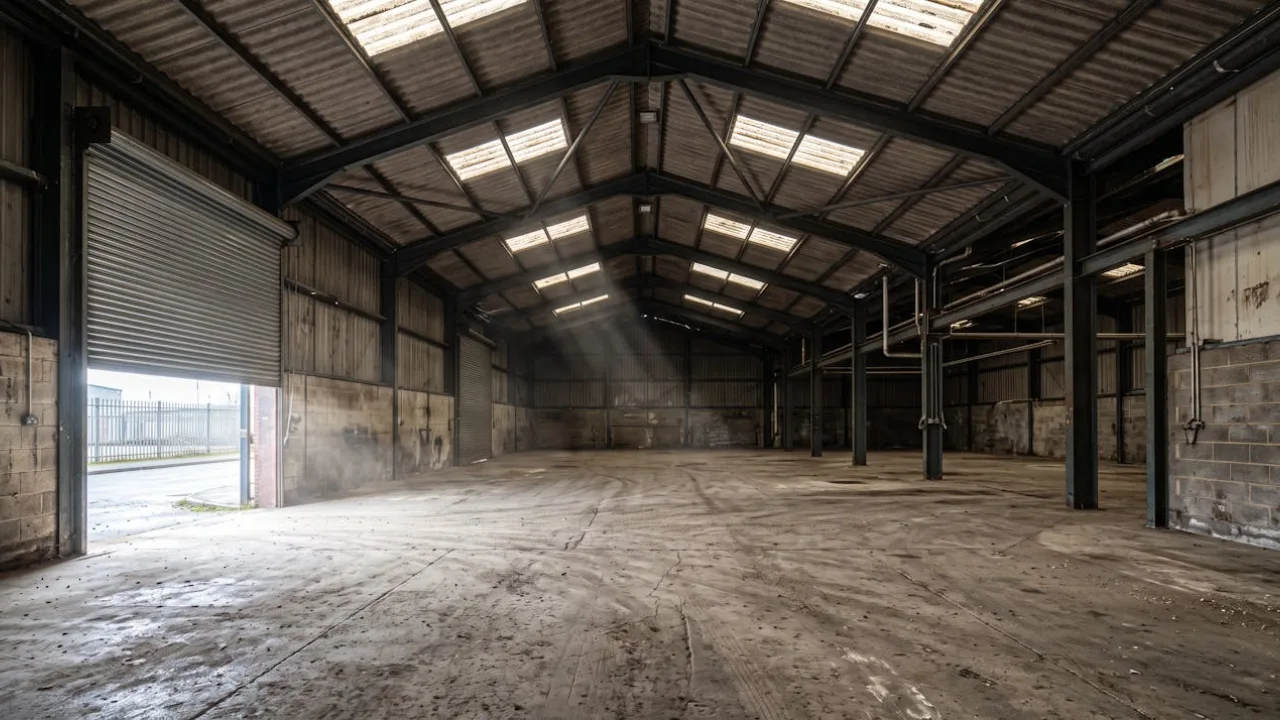
When you buy a commercial building, you buy its asbestos. The duty to manage lands on you from the day you complete, and so does the cost of dealing with anything that has to move before you can refurbish, extend or let. A pre-purchase survey turns an unknown into a number you can negotiate with.
We survey, sample, analyse and remove — and we price removal from our own survey work, so the figure in the report is a figure you can build a budget on. HSE licence 242606081.
The liability transfers with the keys
Asbestos is not a defect a seller has to declare. In most transactions the only way it reaches the negotiating table is because the buyer went looking. Once you complete, the position is simple: you are the duty-holder for non-domestic premises, you need a register and a management plan, and any material in the way of your intended works becomes your cost and your programme risk.
That is why the survey pays for itself even when it finds nothing dramatic. Either you get evidence to renegotiate, or you get the confidence to proceed at the agreed price.
What a purchase-stage survey should tell you
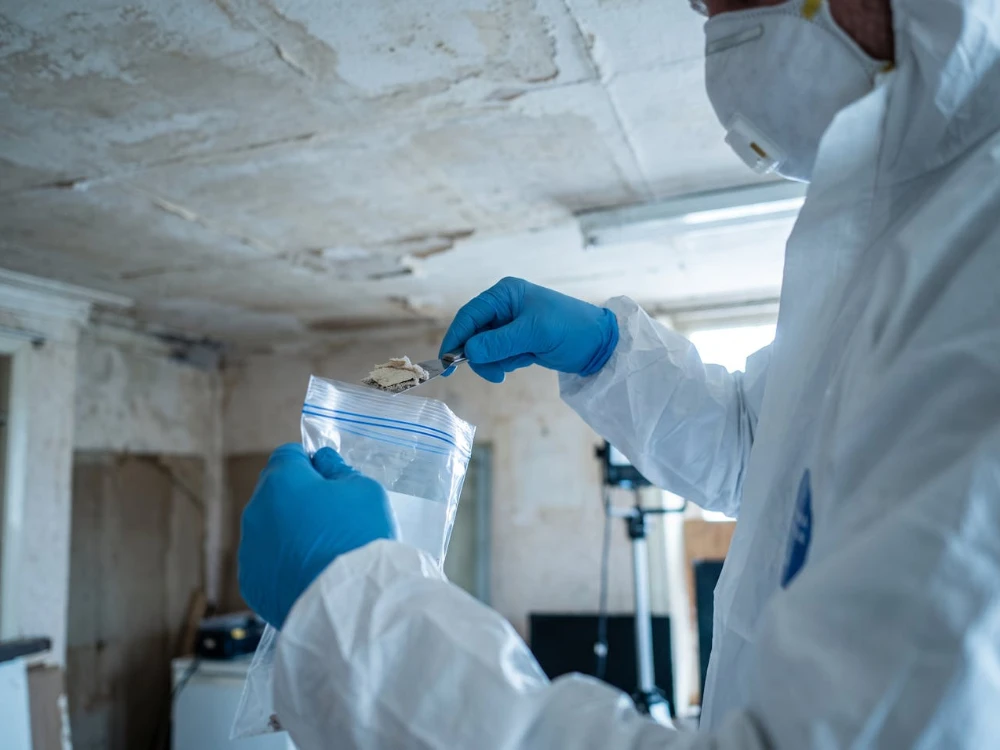
Not simply that asbestos is present. At purchase stage you need five things: what the material is and exactly where it is; whether removing it is licensed or non-licensed work; what condition it is in today; whether it sits in the path of the works you intend to do; and roughly what it costs to remove.
A management survey covers the building as it stands and is the right instrument if nothing is changing. A refurbishment and demolition survey is intrusive — it opens up ceilings, ducts and fabric to find what a management survey deliberately leaves alone — and it is the one you need if you are changing anything at all. Commissioning the wrong type is the most common and most expensive mistake at this stage, and our guide to which asbestos survey you need sets out the difference in full.
Where it hides in commercial stock
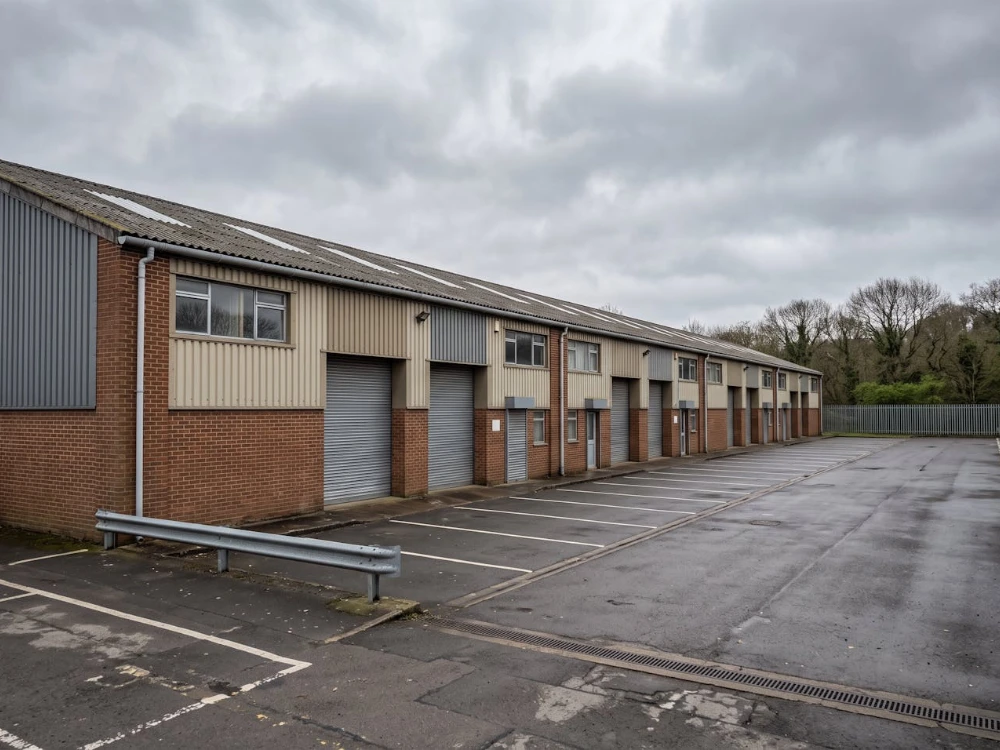
- Sprayed coatings to structural steel and soffits — the highest-risk material, always licensed work.
- Asbestos insulating board to fire breaks, risers, ceilings, partitions and door cores.
- Pipe lagging in plant rooms, ducts and service voids.
- Asbestos ceiling tiles and floor tiles, and the bitumen adhesive underneath them.
- Asbestos cement roof sheeting, gutters, cladding and flues.
- Gaskets, rope seals and washers inside boilers and plant.
- Fire doors and fire-resisting panels.
- Asbestos in made ground and buried debris on the site itself.
For building-type specifics, see our guides to asbestos in buildings, mills and factories, retail and shopping centres and asbestos in soils and made ground.
How the report works commercially
You get a photographed register, material and priority assessments, UKAS-accredited analysis of every sample, and a plan-marked location schedule. Then the part buyers actually want: an indication of removal cost for anything that needs to move.
It is written to be shared. Your solicitor can attach it to the report on title, your agent can price against it, your lender can read it without a translator. Where removal is needed we can carry it out ourselves under commercial asbestos removal, which means the price in the report and the price of the job come from the same place.
Timescales that fit a transaction
Surveys are booked around access, which is usually the constraint rather than our diary. Analysis is turned around at laboratory pace. The report is issued as a single document rather than in instalments. We work to the exchange date where access allows, and we will confirm the date when we see the access arrangements rather than promising a turnaround we cannot control.
What to do with what you find
There are three honest outcomes. Renegotiate on the evidence, with a costed schedule rather than a guess. Budget for a phased removal so the work happens as each area comes empty. Or walk away, which occasionally is the right answer and is far cheaper before exchange than after.
There is a fourth thing worth knowing: where a company acquires land in a contaminated state from a third party, the cost of clearing asbestos is capable of qualifying for Land Remediation Relief. We explain how that works in Land Remediation Relief explained. Whoever ends up owning the building also needs a register and plan from day one — see asbestos management plans and our CAR 2012 compliance audits.
Frequently asked questions
Do I need an asbestos survey before buying commercial property?
There is no law compelling a buyer to survey before exchange, but the duty to manage asbestos transfers to you with the building, and so does the cost of removing anything that has to move before you can refurbish, extend or let. Buying a pre-2000 commercial building without knowing its asbestos position means accepting an unpriced liability.
Which survey type do I need for a purchase?
If you are buying the building as it stands and intend to occupy or let it unchanged, a management survey covers the position. If you intend to refurbish, strip out, extend or demolish any part of it, you need a refurbishment and demolition survey, which is intrusive and looks inside the fabric. Buying on the back of the wrong survey type is the most common and most expensive mistake at this stage.
Who is responsible for asbestos after completion?
The duty to manage falls on whoever has responsibility for maintenance and repair of the premises under the contract or tenancy. For an owner-occupier that is you from the day you complete. Where the building is let, the lease decides it, and in a multi-let building the landlord usually holds the common parts and structure while each tenant holds their own demise.
How much does a commercial asbestos survey cost?
It depends on the floor area, the age and construction of the building, how many samples are needed and how accessible the areas are. We quote per building rather than from a rate card, and we will give you a fixed written quote within 24 hours of understanding the access arrangements. Our costs page explains how asbestos work is priced.
Can a survey be done while the building is occupied?
A management survey can normally be carried out around occupation, working room by room with minimal disruption. A refurbishment and demolition survey is intrusive and opens up the fabric, so it usually needs vacant possession of the area being surveyed, or at least an agreed shutdown of that part of the building.
What is a UKAS-accredited analysis and why does it matter?
UKAS accreditation means the laboratory identifying the asbestos type in each sample has been independently assessed against an international standard for technical competence. It matters because the analysis result determines whether the work is licensed or non-licensed, and therefore what the removal will cost. An unaccredited result is not something to negotiate a purchase price on.