

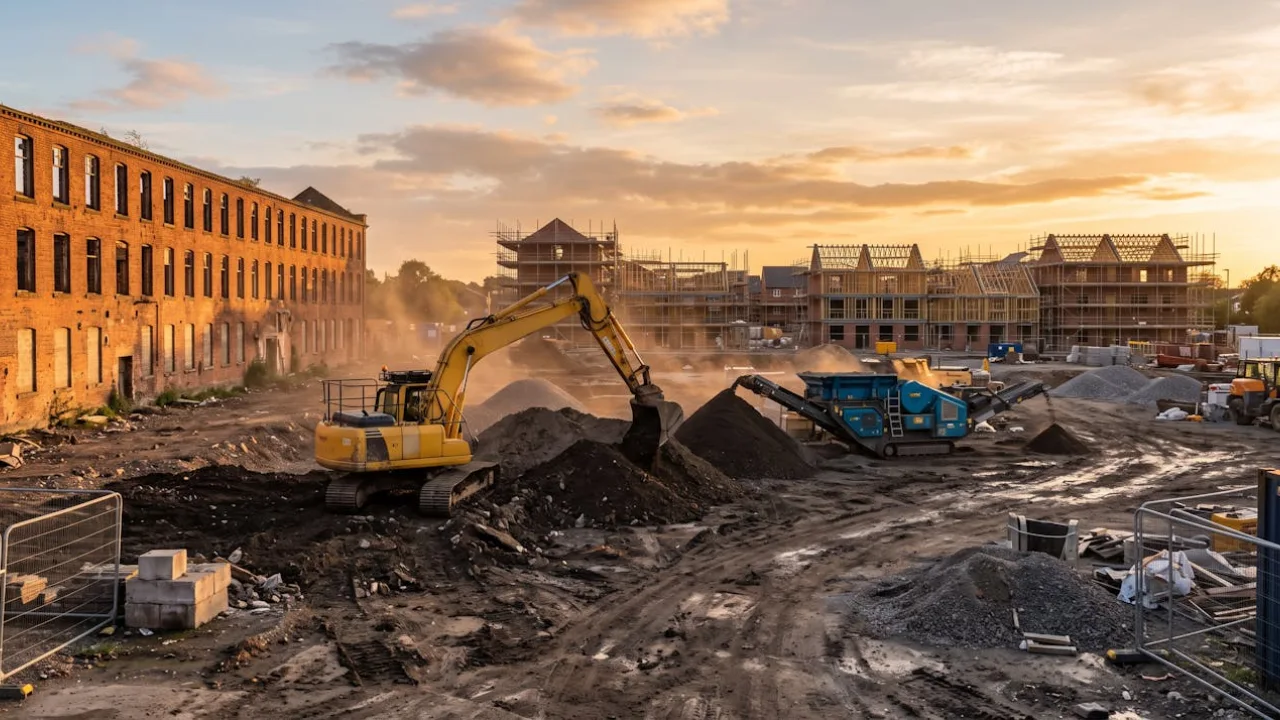
Every year, UK companies write off the cost of clearing contaminated ground and asbestos-laden buildings as a plain cost of development, when a corporation tax relief exists specifically for it. Land Remediation Relief has been on the statute book for years and is still routinely missed, usually because nobody separated the remediation cost from the general build cost at the time.
What Land Remediation Relief is
LRR is a UK corporation tax relief on qualifying expenditure incurred cleaning up contaminated or derelict land. The headline is the enhanced deduction, and the split is the part most often got wrong: property investors can claim up to a 150% deduction, while property developers claim 50%. Same relief, very different value depending on which side of that line your company sits.
Who can claim
Companies within the charge to UK corporation tax. That means individuals, sole traders and partnerships cannot claim it directly, which is a common early misunderstanding on smaller schemes.
Two conditions matter more than any other. The land must have been acquired in a contaminated state from a third party. And the claimant must not have caused or knowingly permitted the contamination. In other words, the relief is for cleaning up someone else’s mess, not your own.
What qualifies
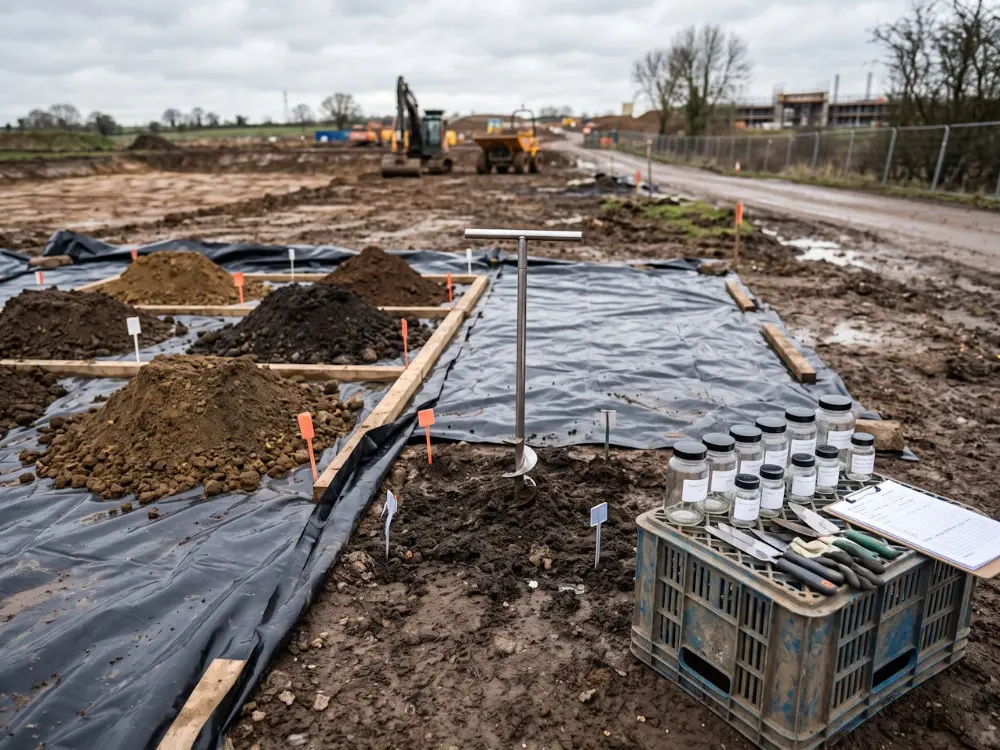
- Contaminated soil and groundwater.
- Harmful organisms, including Japanese knotweed.
- Arsenic and arsenical compounds.
- Radon.
- The additional costs of clearing asbestos — HMRC’s Corporate Intangibles Research and Development Manual has a dedicated page on this at CIRD63200.
Note the word additional. The relief is aimed at costs you would not have incurred but for the contamination. Asbestos removal costs are capable of qualifying rather than automatically qualifying, which is exactly why the documentation matters. HMRC’s guidance is at CIRD63200.
The loss-maker route
A company not yet in profit is not shut out. Loss-making companies may surrender qualifying losses for a tax credit at 16%, which works out at roughly a 24% cash return on qualifying spend. For an SPV on a first development — no profits, significant remediation cost, cash flow under pressure — that is often the more useful route of the two.
Deadlines
Claims are generally made within two years of the end of the accounting period in which the expenditure was incurred. Tax credit claims run to one year from the corporation tax return filing date.
The practical point is separate from the deadline: claims are far easier when the remediation was documented at the time. Itemised quotations, consignment notes, air test results and clearance certificates, kept distinct from general build cost. Reconstructing that split from a single lump-sum invoice two years later is where claims quietly die. This is the bit an asbestos contractor genuinely adds.
What this means when you’re pricing a site
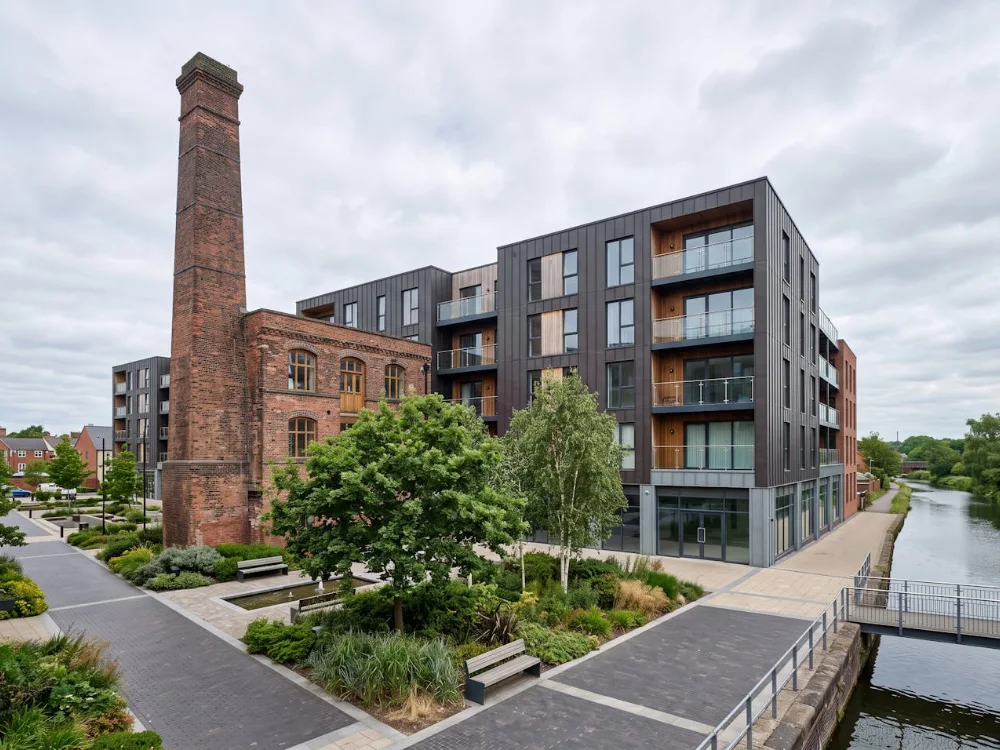
A brownfield plot with an asbestos-clad building on it may cost less to clear, after relief, than the headline quote suggests. On a scheme with a substantial remediation element that can move a site from marginal to viable.
That is not advice, and we are not the people to give it. It is a prompt to ask your adviser the question before you price the deal, because the answer changes the number.
How we help
We document remediation so your adviser can see what is what: itemised removal costs separated from enabling and build work, soil validation results, waste consignment records under our Environment Agency waste carrier registration CBDU525609, and four-stage clearance certification. See land remediation, our guide to asbestos in soils and made ground, and commercial asbestos removal.
If you are still at the acquisition stage, a pre-purchase asbestos survey gives you the costed schedule to take to both your solicitor and your accountant.