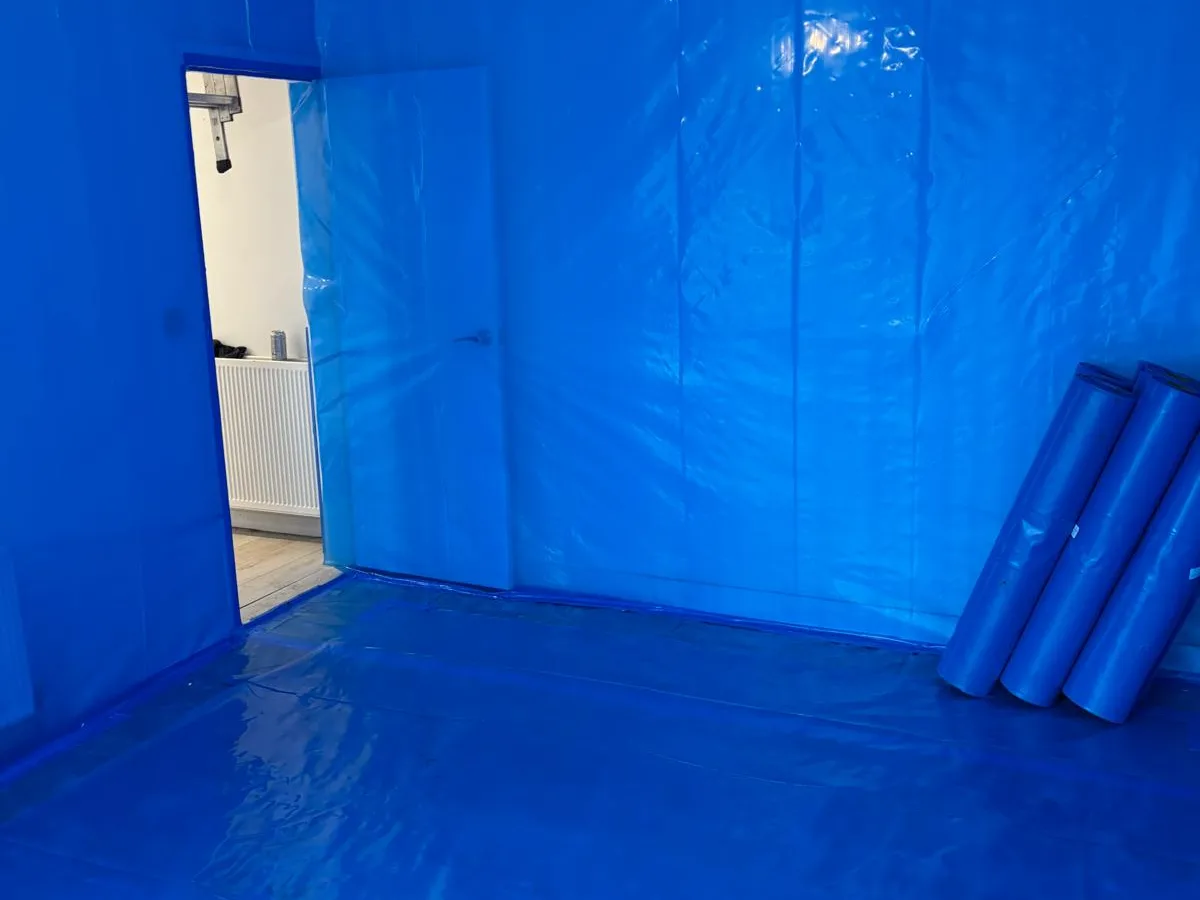
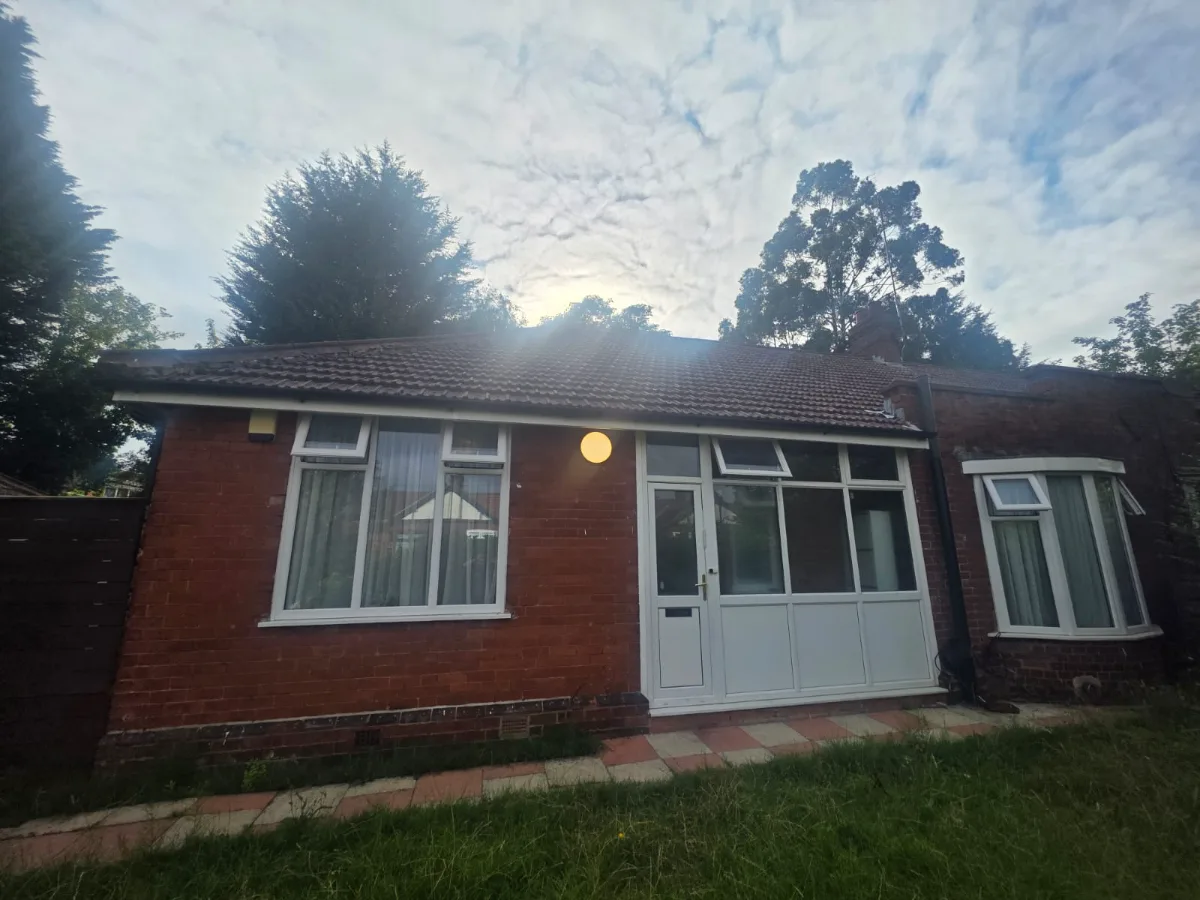
100m² of asbestos insulating board ceilings were removed from every room of a residential property on Belhaven Road, Manchester — kitchen, lounge and bedrooms. The boards were nailed to the ceiling joists and had been over-boarded with plasterboard on the underside, which had to come down with them.
Bulk analysis identified chrysotile, amosite and crocidolite. Asbestos insulating board is licensed work, so the project was notified to the HSE by ASB5 on 27 July 2026 and carried out room by room inside fully sealed enclosures, with the property empty for the duration.
Removal ran from 24 to 28 August 2026 with two licensed operatives on site. All asbestos, plasterboard and enclosure waste was wrapped, sealed and consigned to a licensed hazardous waste facility.
Innov8 UK Group provides licensed asbestos removal and asbestos removal in Manchester for homeowners, businesses and main contractors alike, working UK-wide from locations in Manchester, Carlisle and London.
Following a site visit on 21 July 2026, works were awarded for the removal and disposal of asbestos insulating board ceilings throughout the property, 100m² in total across the kitchen, lounge and bedrooms. The boards were nailed to the ceiling joists and over-boarded with plasterboard, so the plasterboard layer formed part of the removal rather than a separate strip-out.
Bulk sample analysis identified chrysotile, amosite and crocidolite, and recorded the material as being in good condition. As asbestos insulating board is licensed work under the Control of Asbestos Regulations 2012, the project was notified to the HSE by ASB5 and carried out by licensed operatives to a site-specific plan of work.
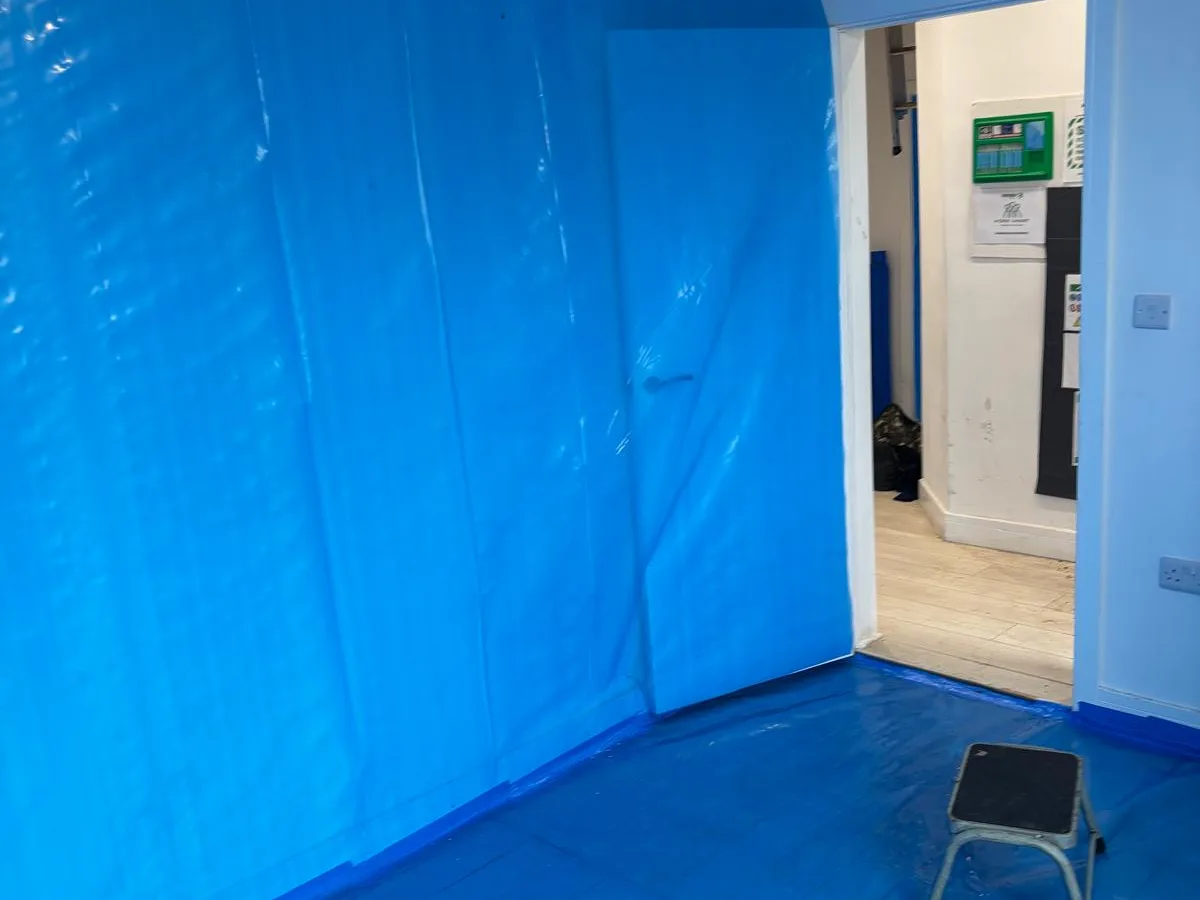
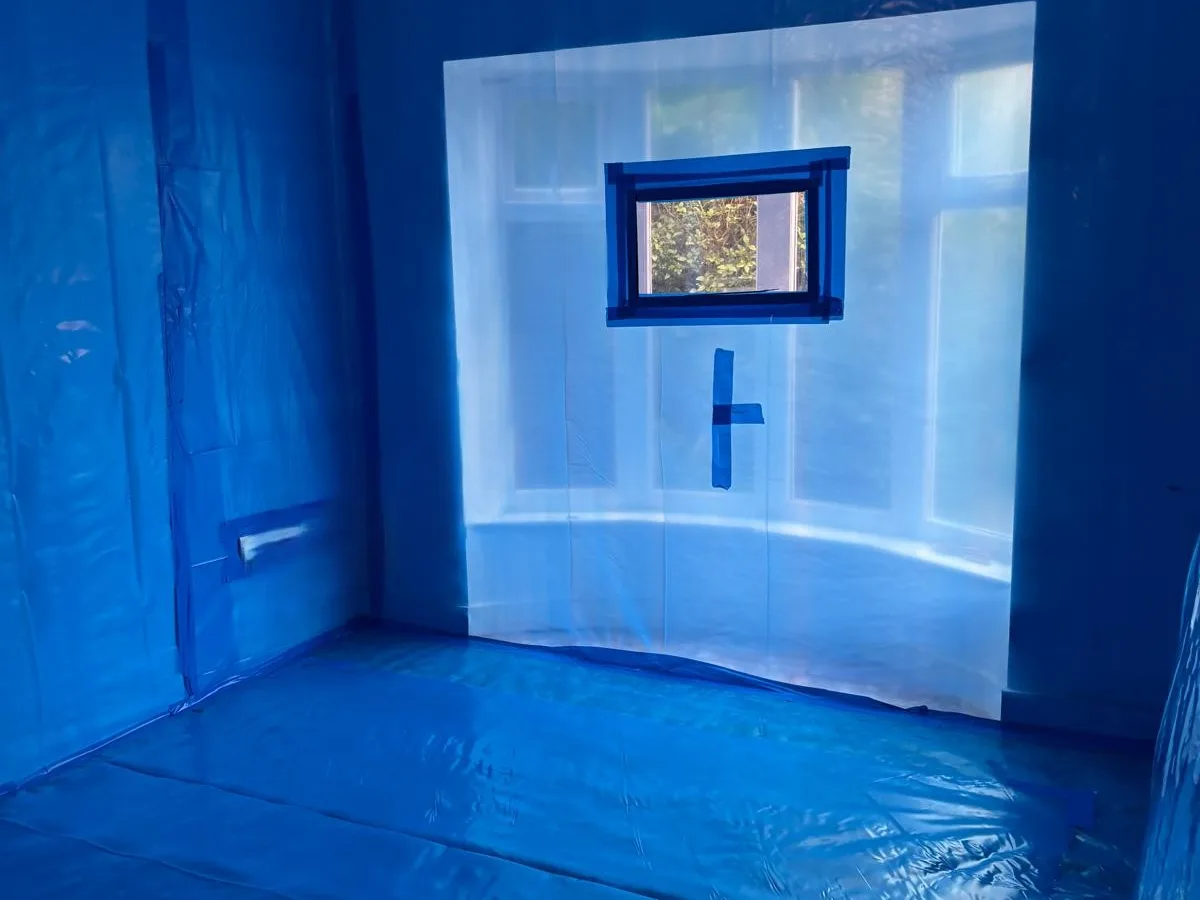
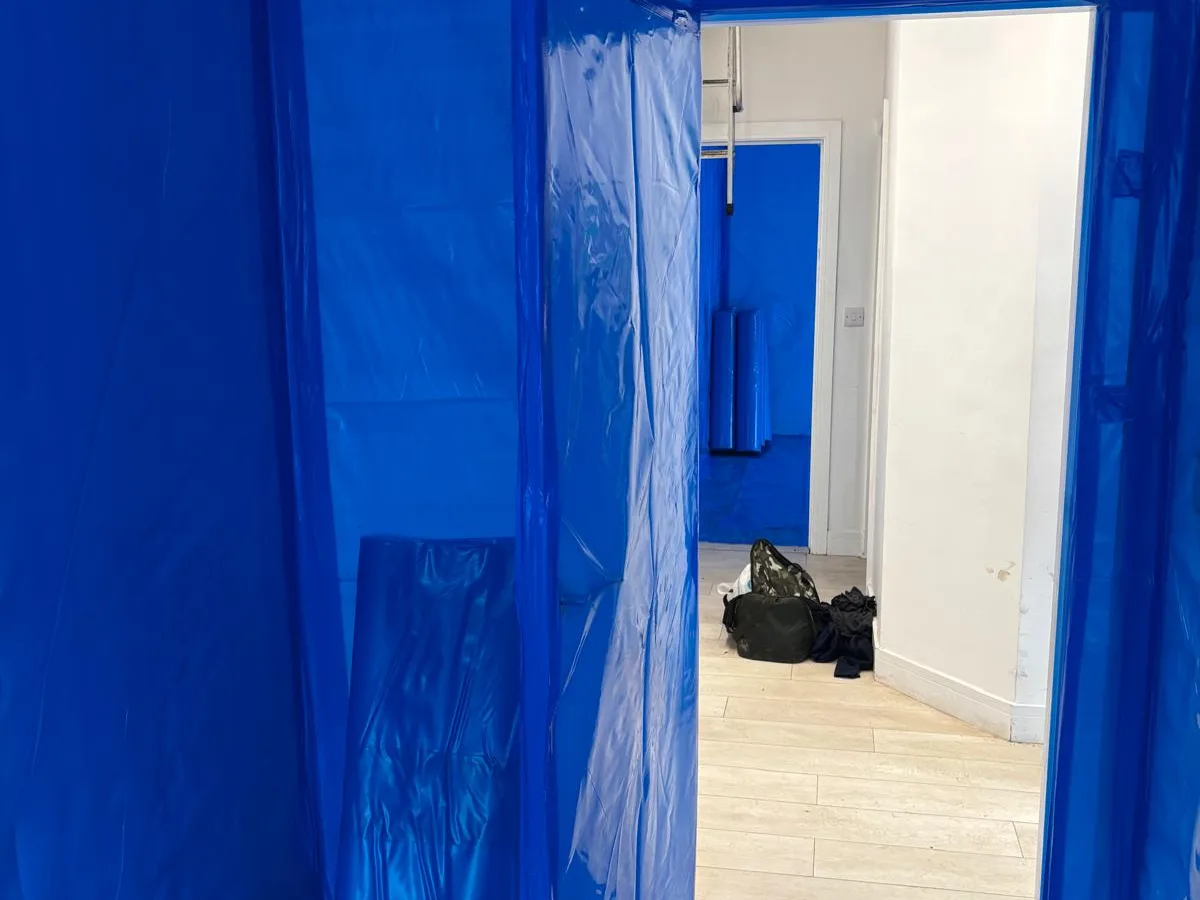
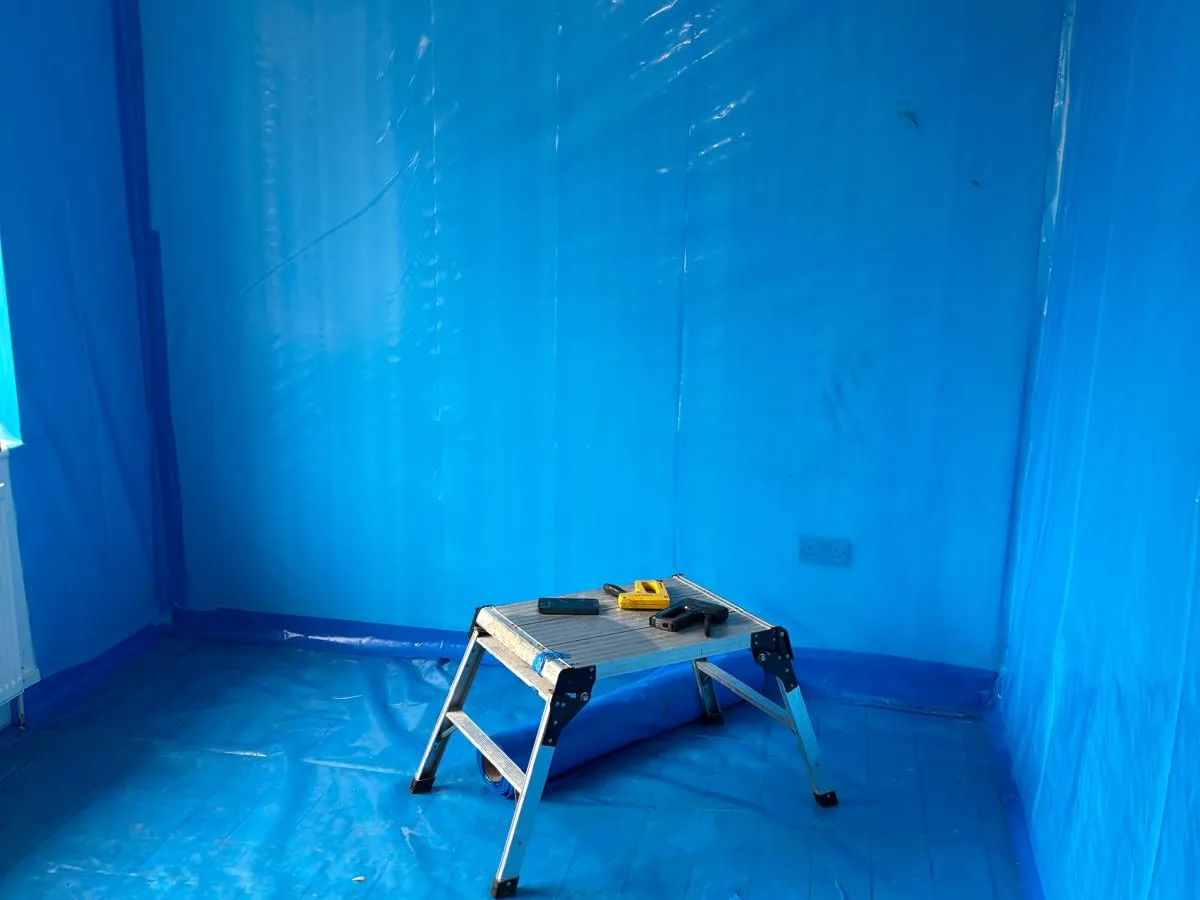
Because the ceilings ran through the whole property, the works were sequenced room by room, each room fully sheeted and sealed as its own enclosure with an airlock at the doorway and windows and openings sealed behind polythene. Negative pressure was maintained inside each enclosure and the transit route back to the decontamination unit kept segregated from the clean side of the property.
Boards were removed under controlled wetting using hand tools rather than power tools, with the plasterboard over-boarding taken down as one operation to limit disturbance. Waste was double-bagged inside the enclosure, passed out through the bag lock and consigned to a licensed hazardous waste facility with full paperwork. Each enclosure was cleaned using Class H vacuum equipment and left for four-stage clearance by an independent analyst before being dismantled.
Non-asbestos risks — work at height to ceiling level, manual handling of board and plasterboard, and the sequencing of multiple enclosures in one building — were controlled through suitable access equipment, trained operatives, good housekeeping and daily supervision.