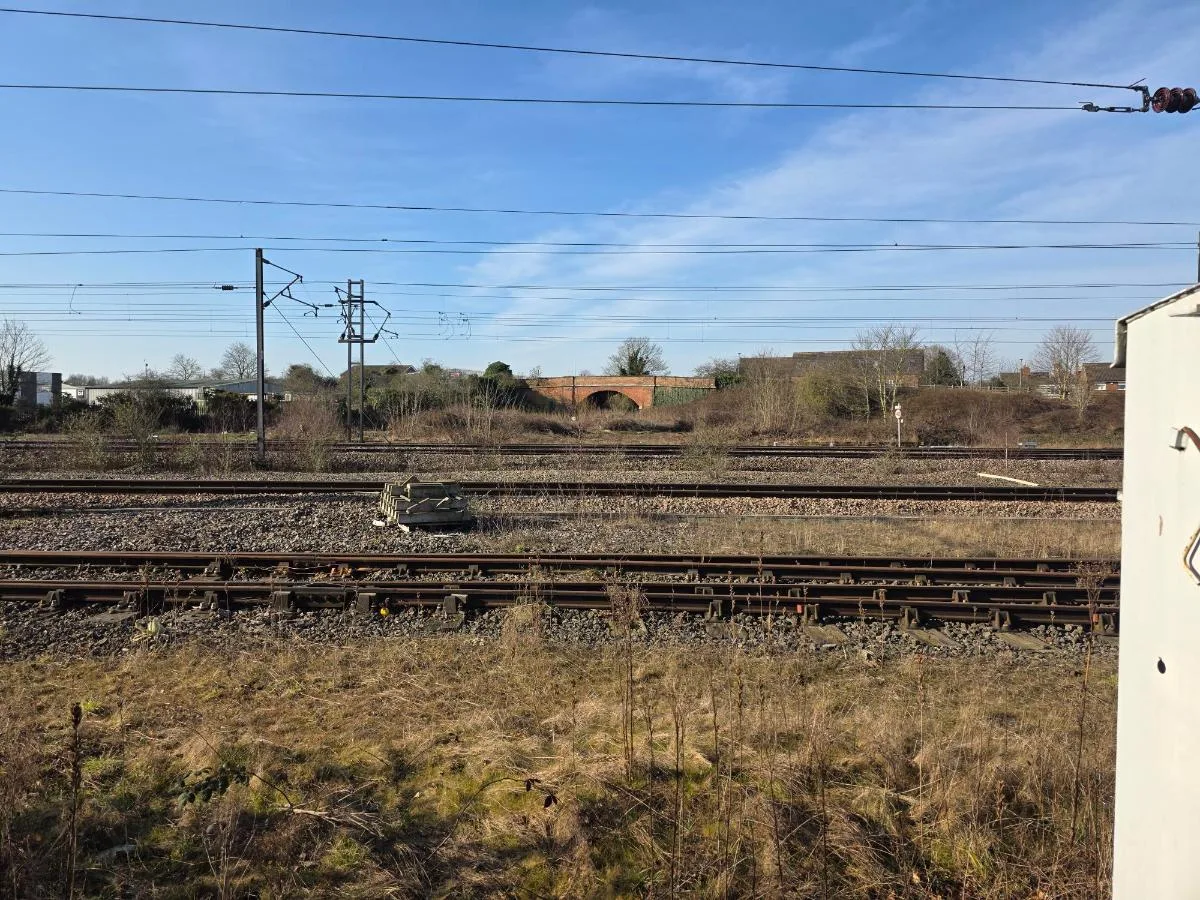
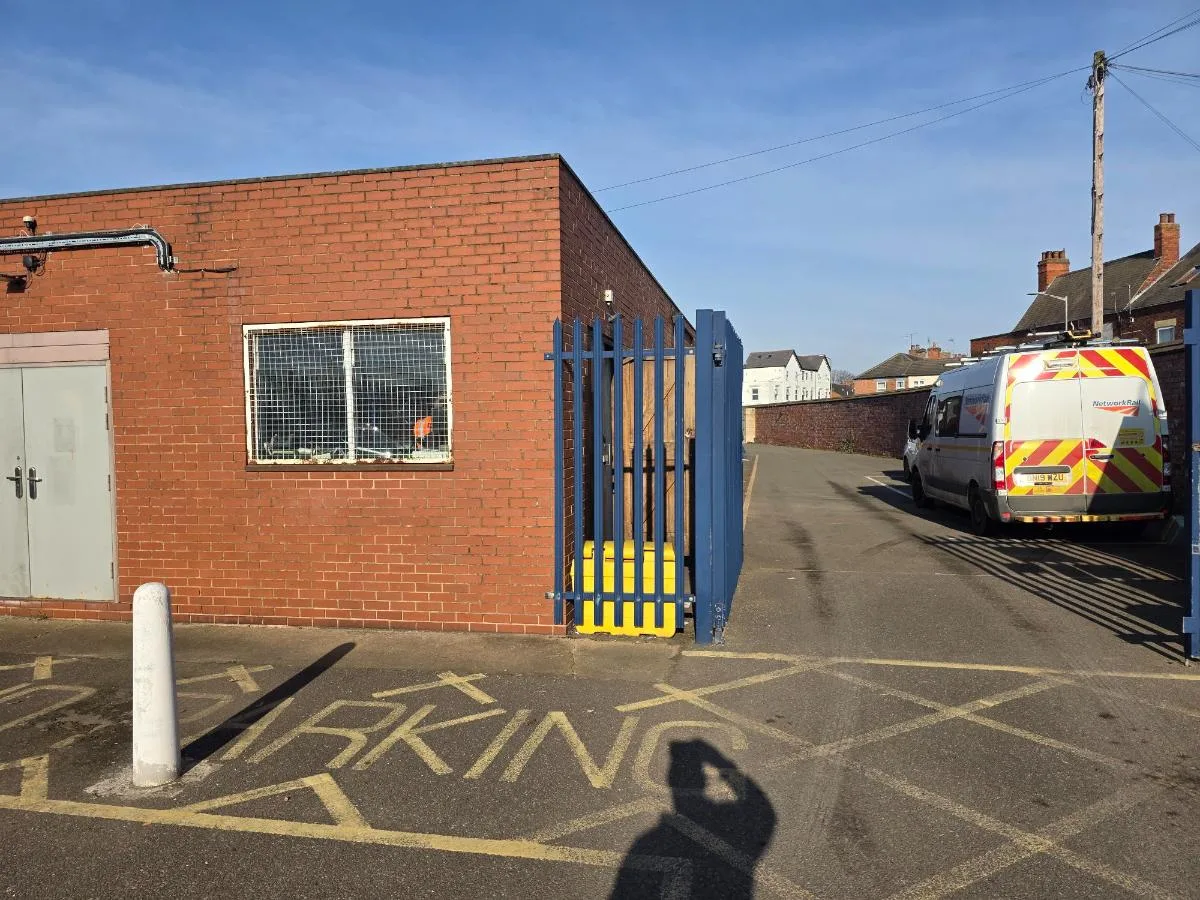
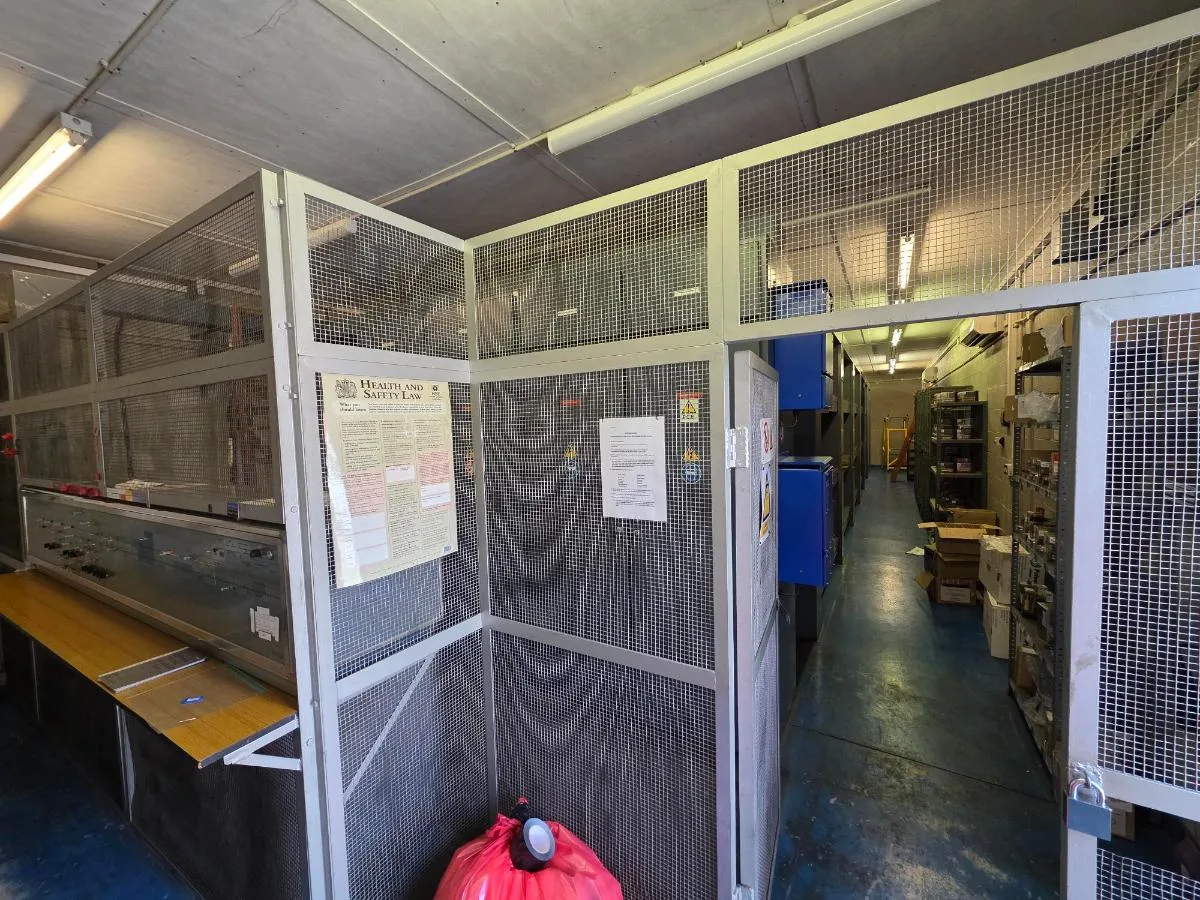
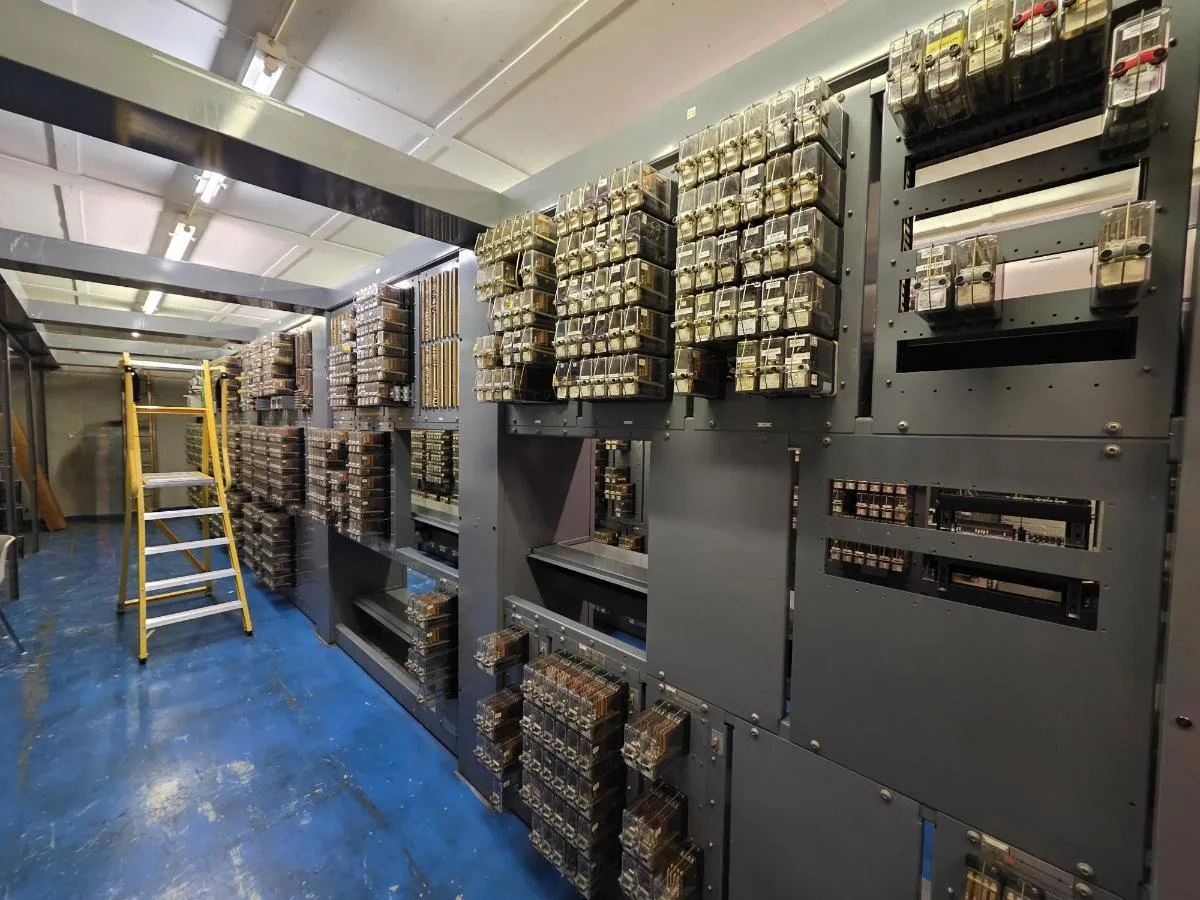
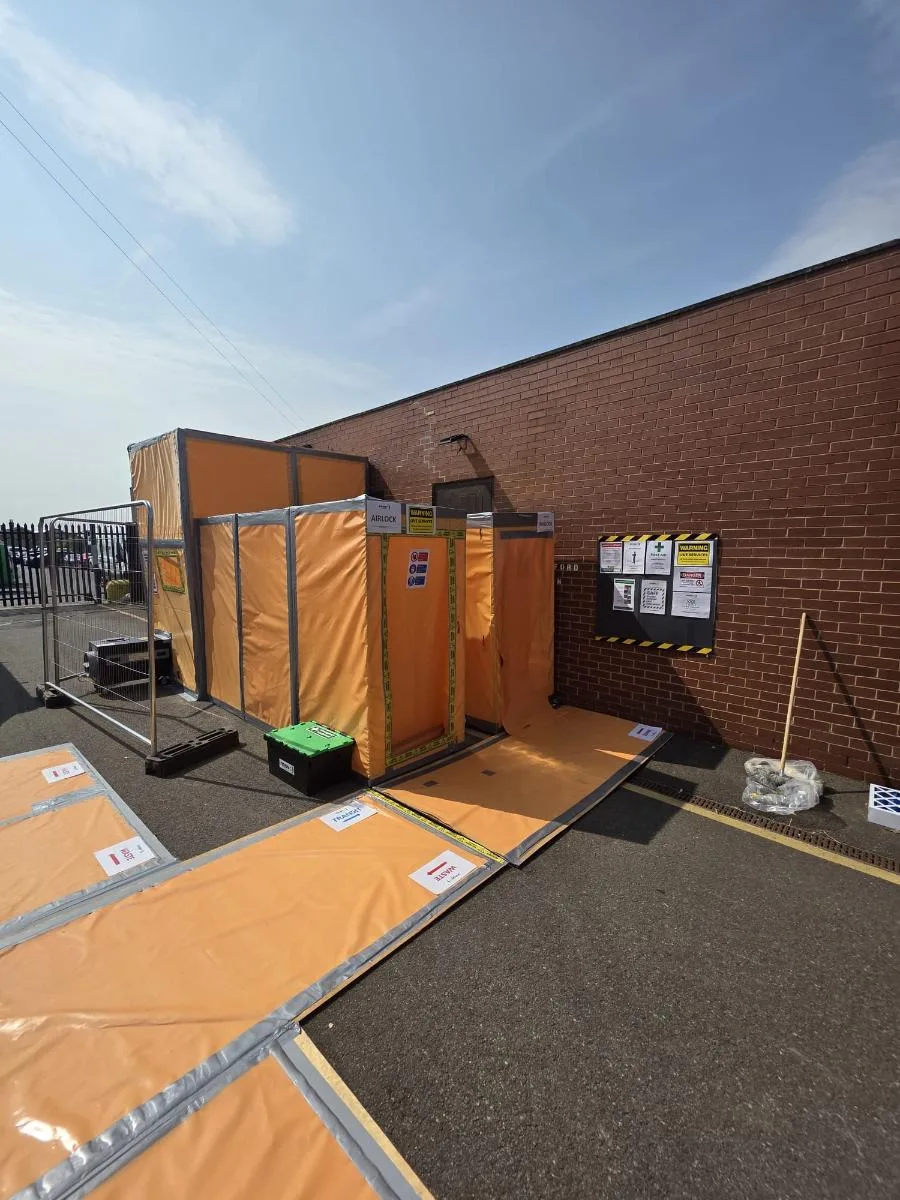
AIB debris removed from operational rail premises under fully controlled conditions, enclosures, negative pressure and air monitoring, while the station stayed live. Finished with independent clearance and a full document pack.
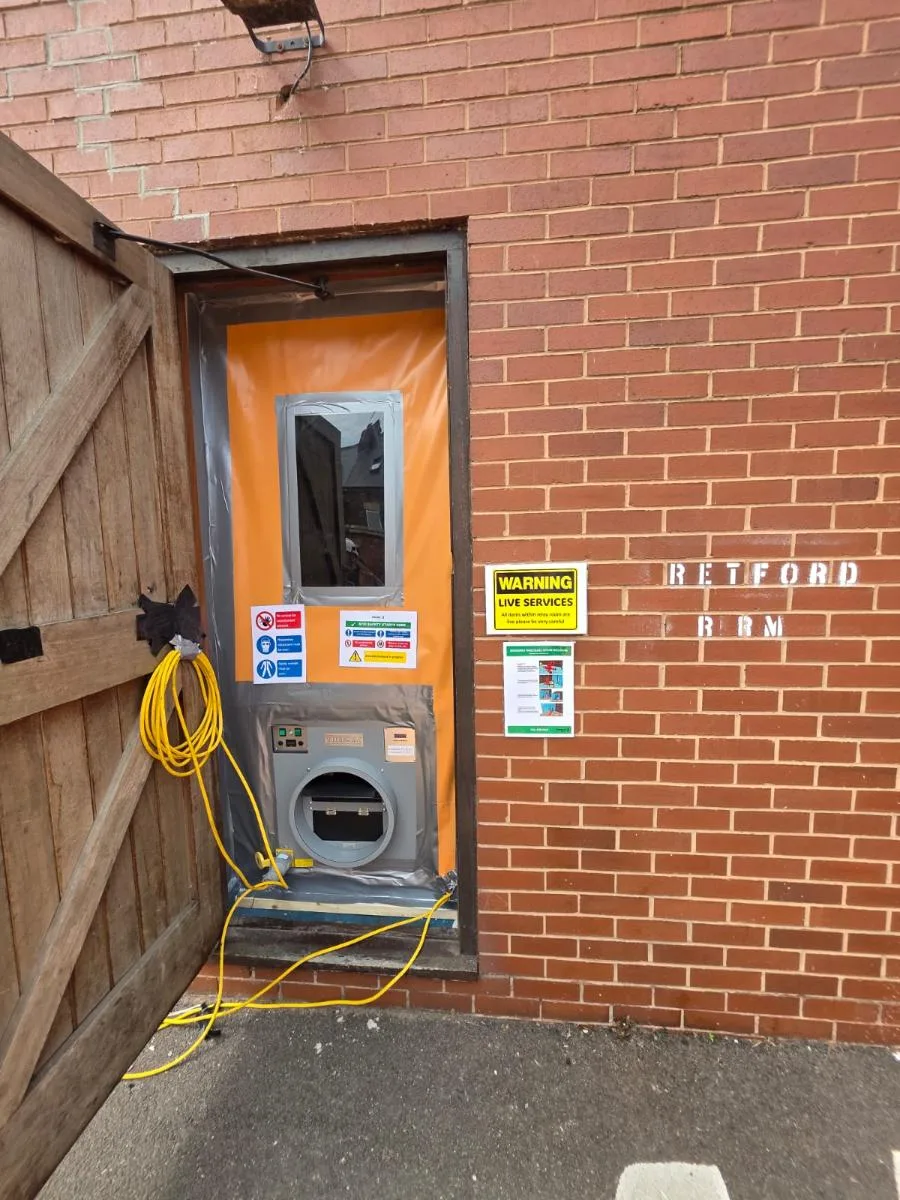
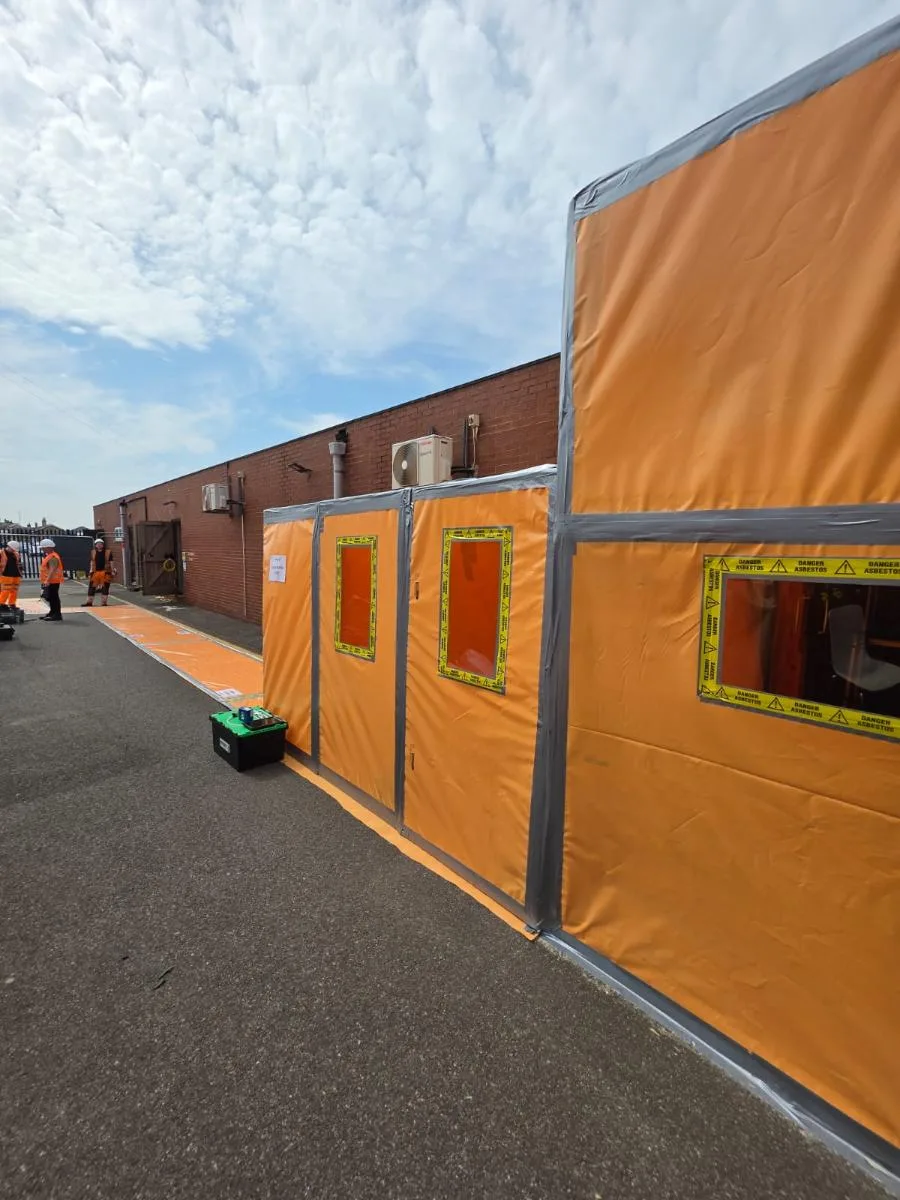
The works were carried out by our HSE-licensed teams under a sealed enclosure with negative pressure units and continuous air monitoring, closed out with independent clearance and a complete waste and compliance document pack.
From locations in Manchester, Carlisle and London, Innov8 UK Group delivers licensed asbestos removal nationwide — including asbestos removal in Retford — with the same licensed teams, documentation and written quotations on every job.
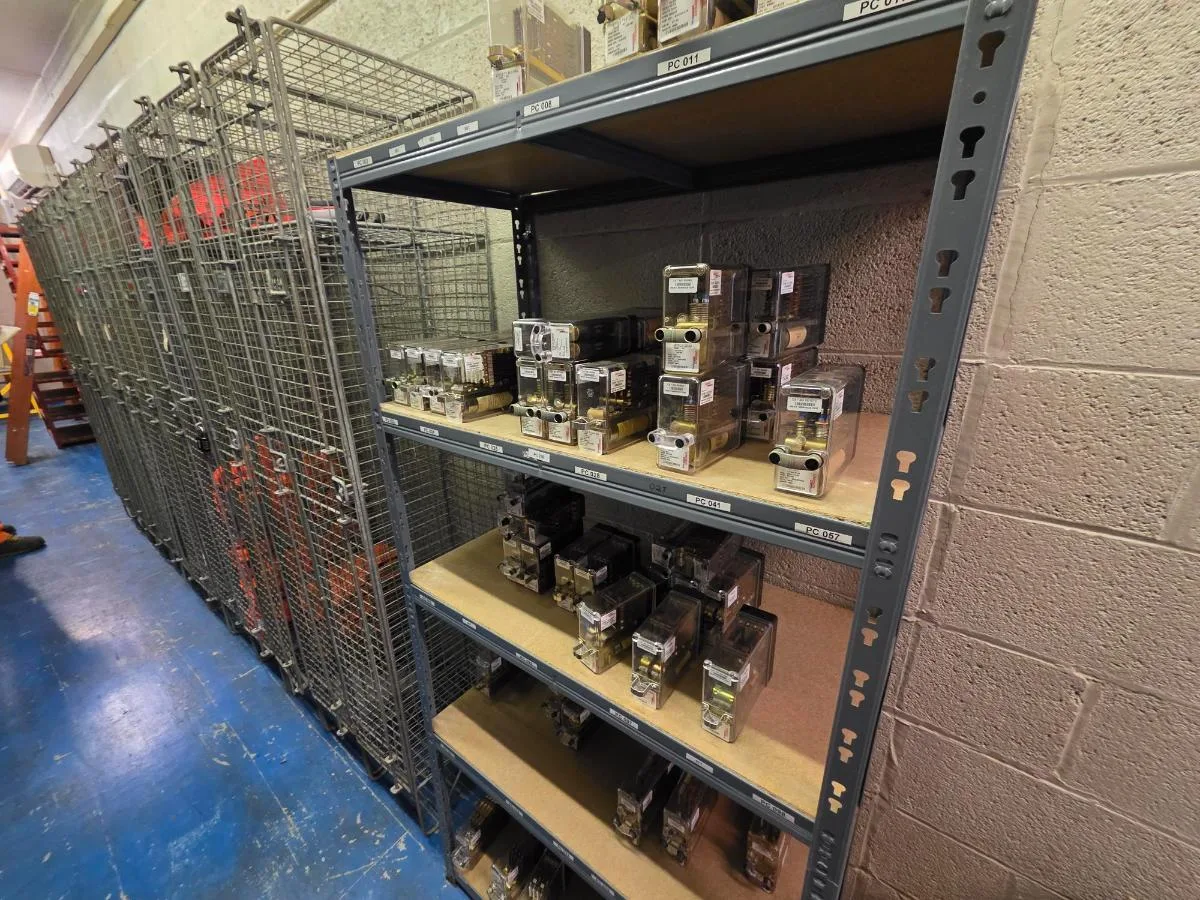
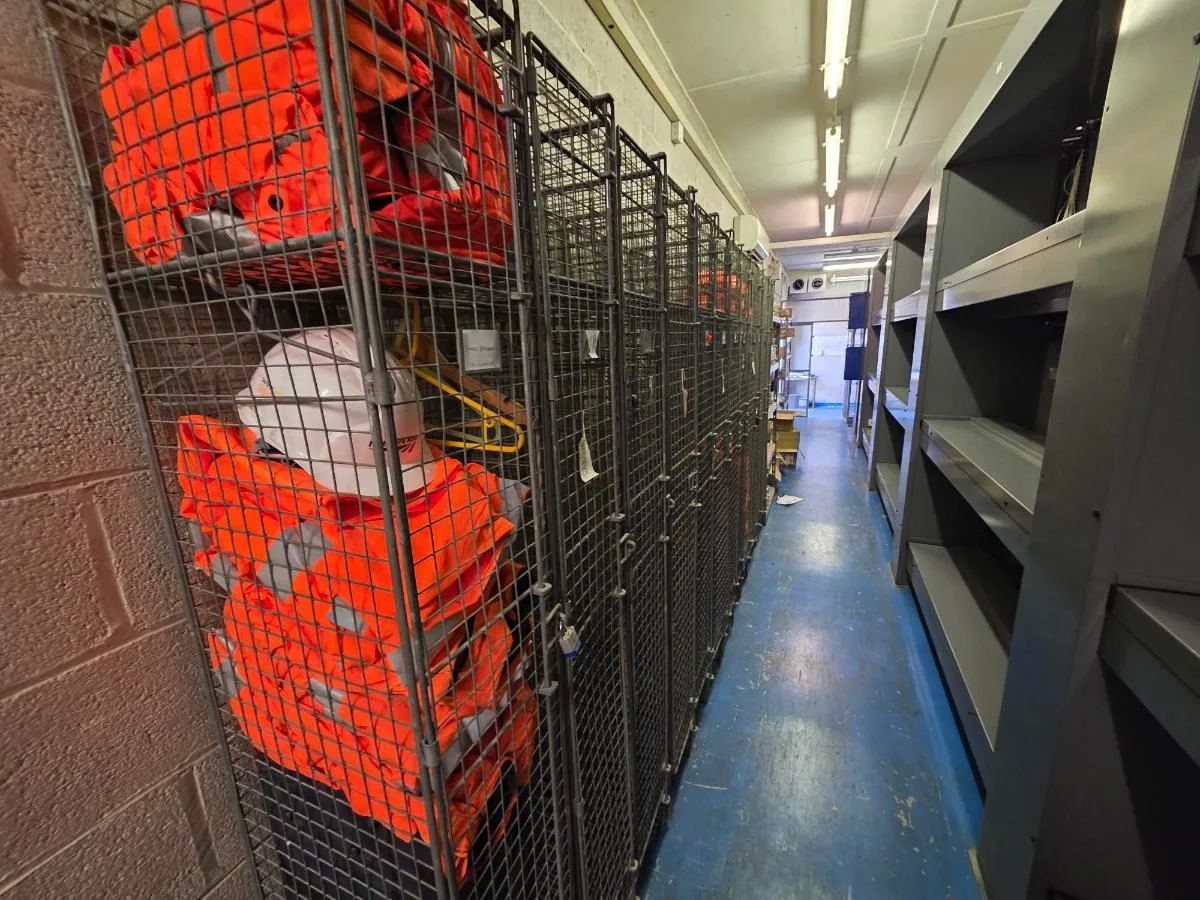
Following the recent survey by an independent UKAS-accredited analytical company (Reference B-52190s2, dated the agreed date), remedial actions are required at Retford Train Station’s Relay Room and Boiler Room due to the presence of asbestos, including AIB debris. The principal contractor instructed Innov8 UK Group on the agreed date to carry out the works. These took place within purpose-built enclosures under negative pressure, with separate enclosures for each room. Both areas remained live, as they are critical to rail operations and must stay accessible for unforeseen repairs.
To maintain continuity, two asbestos-trained the client engineers, recently fully trained at IUG’s request, remained on standby and may enter the enclosure under the supervision of an IUG supervisor our project manager if urgent maintenance is required. From point of contact, IUG can attend site within two hours. Works involved a full fine clean of both rooms under controlled conditions, ensuring all equipment and surfaces are decontaminated. As the rooms operate 24/7, debris/Residues were carefully managed to avoid contamination, and airborne fibres strictly controlled.
IUG personnel and all workers must remain vigilant due to live equipment and services, with safety protocols followed at all times. Air monitoring on the agreed date returned <0.010 fibres per cubic metre (f/m³), confirming asbestos levels remain within safe limits for site setup without full-face respirators.
All asbestos works were carried out within two purpose-built negative pressure enclosures using controlled H-type vacuums, appropriate RPE/PPE, continuous air monitoring, and licensed waste disposal to prevent fibre release. Non-asbestos risks including live services, manual handling, slips/trips, noise, vibration, and potential heat was controlled through permits to work, supervision, segregation, housekeeping, task rotation, and welfare measures. These combined controls ensure both asbestos and wider site hazards are safely managed while maintaining operational continuity.
OBSTRUCTIONS MAKING ACCESS AND THE WORKS MORE DIFFICULT