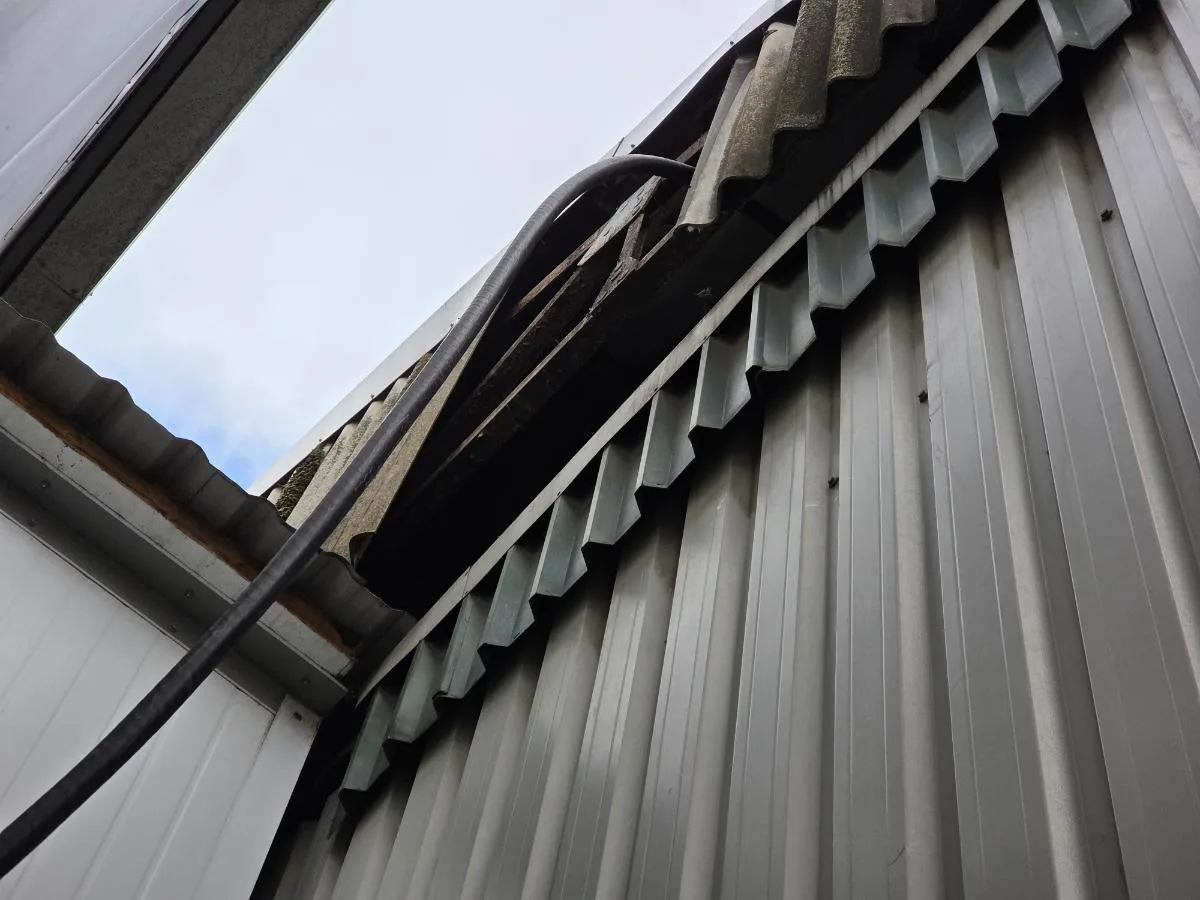
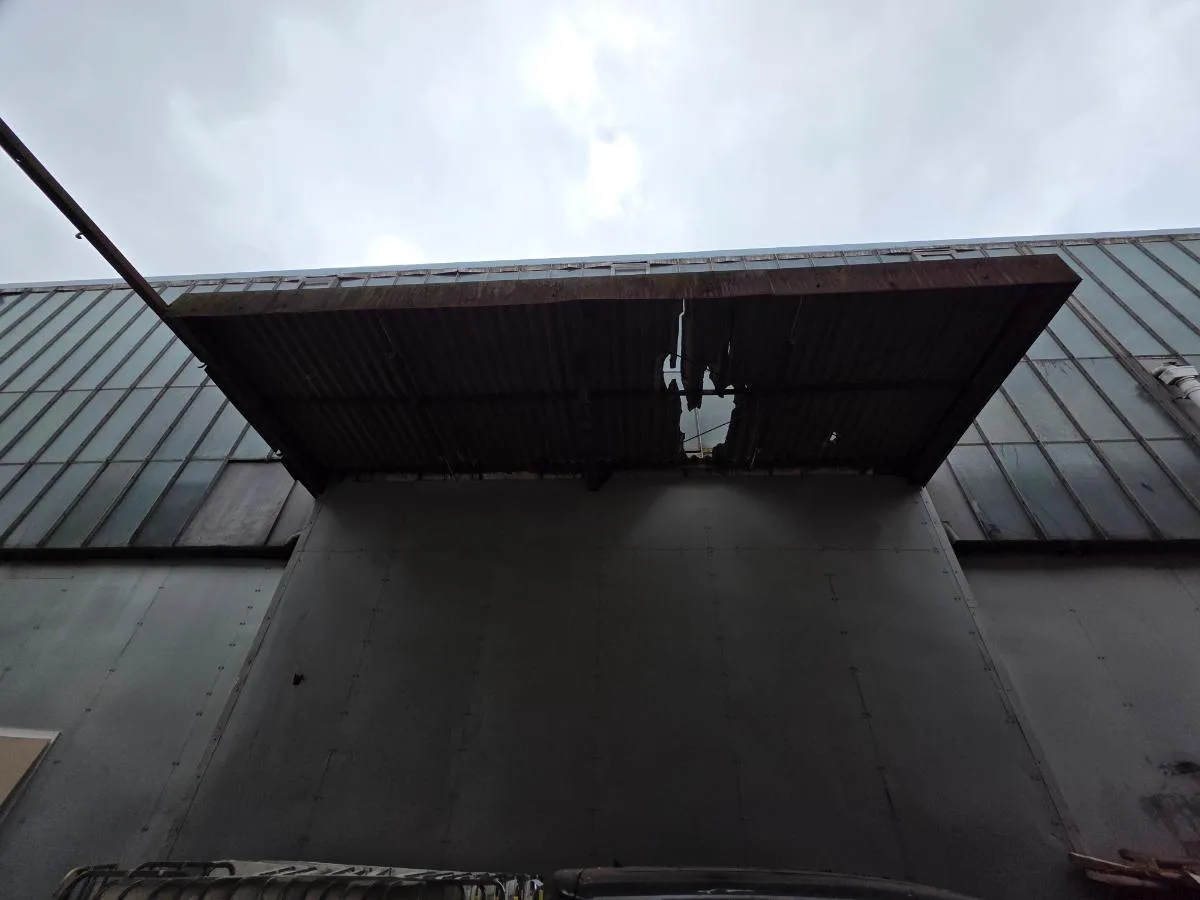
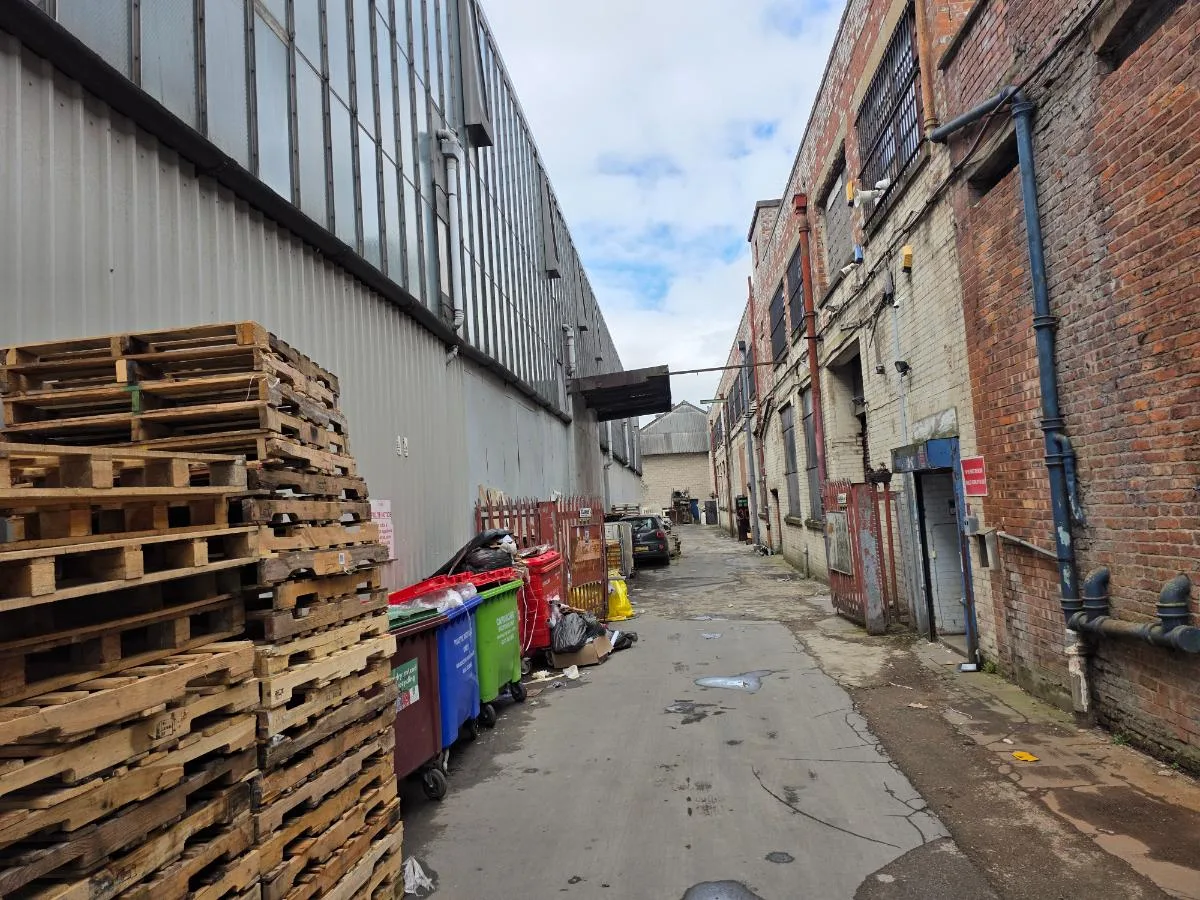
Approx. 100m² of asbestos cement sheets, panels and associated debris were removed throughout this operational food manufacturing site in Salford, with the works phased and segregated so production could continue safely around them.
Sheets and panels were removed intact wherever possible using controlled wet methods, with debris hand-picked, the affected areas cleaned using Class H vacuum equipment and all waste wrapped, sealed and consigned to a licensed hazardous waste facility.
Innov8 UK Group provides licensed asbestos removal and asbestos removal in Salford for homeowners, businesses and main contractors alike, working UK-wide from locations in Manchester, Carlisle and London.
Following a site inspection at this operational food manufacturing site in Salford, works were awarded for the removal and disposal of approximately 100m² of asbestos cement sheets, panels and associated debris located throughout the site. The works were carried out under controlled conditions in accordance with the Control of Asbestos Regulations 2012 and current industry best practice. As the site remained operational throughout, the works were carefully phased and each work area segregated with fencing and asbestos warning signage to keep site staff, visitors and contractors clear of the works at all times.
All access and waste transit routes were agreed with site management in advance and monitored throughout the project to minimise disruption to production and maintain site safety.
The asbestos risks associated with the removal of the asbestos cement sheets, panels and debris were controlled through careful removal of sheets and panels intact wherever possible, controlled wetting, the avoidance of power tools and the use of Class H vacuum cleaners, with all debris hand-picked and the affected areas left clean and visually inspected. All asbestos waste was wrapped, sealed and disposed of at a licensed hazardous waste facility with full consignment paperwork. Non-asbestos risks, including work at height and interaction with an operational site, were controlled through suitable access equipment, segregation, good housekeeping and daily supervision.
Each area was handed back progressively, allowing the site to maintain production throughout the works.