

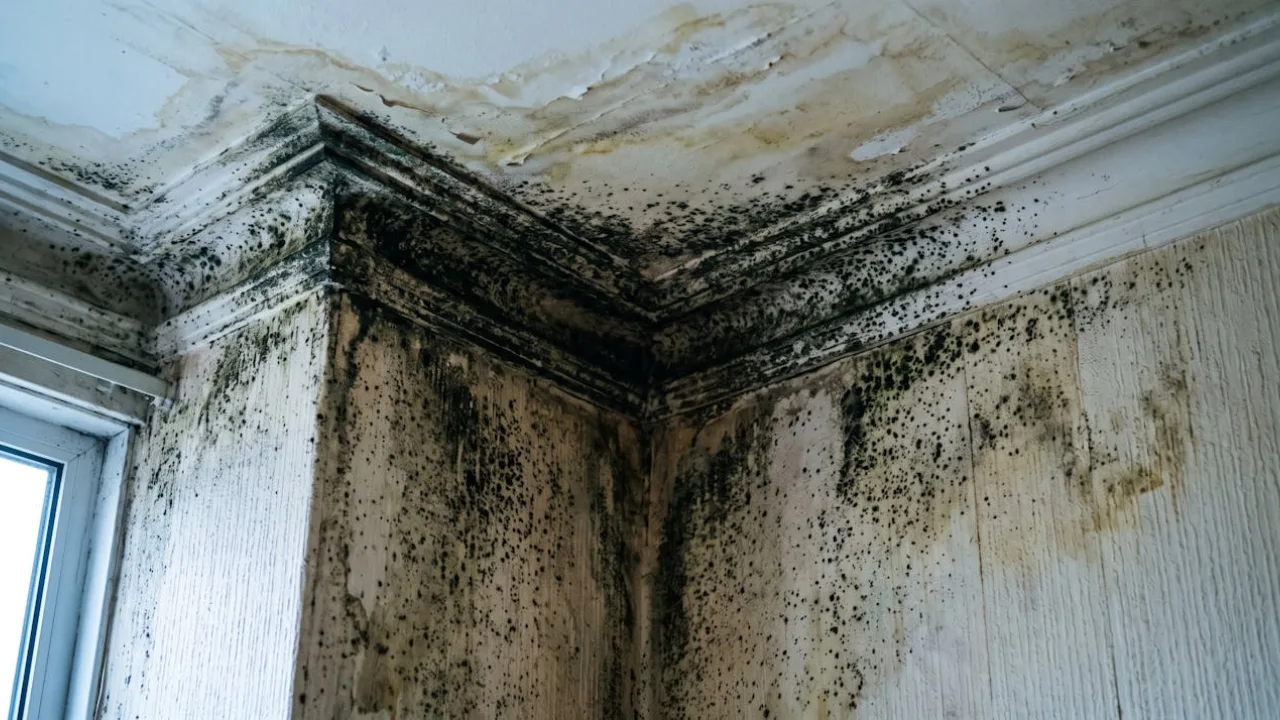
Awaab’s Law is named after a two-year-old boy who died following prolonged exposure to mould in his family’s social home. It places social landlords under a statutory clock rather than a duty of reasonable endeavours, and the first phase has been in force since 27 October 2025.
It applies to social landlords — local authorities and registered providers. It does not currently apply to the private rented sector.
What changed on 27 October 2025
Phase 1 covers damp and mould. From the point a landlord becomes aware of a potential hazard, three deadlines apply:
- Investigate within 10 working days of becoming aware of a potential damp and mould hazard.
- Where a significant damp and mould hazard is identified, complete the safety works within 5 working days.
- Where the hazard is an emergency, complete the safety works within 24 hours.
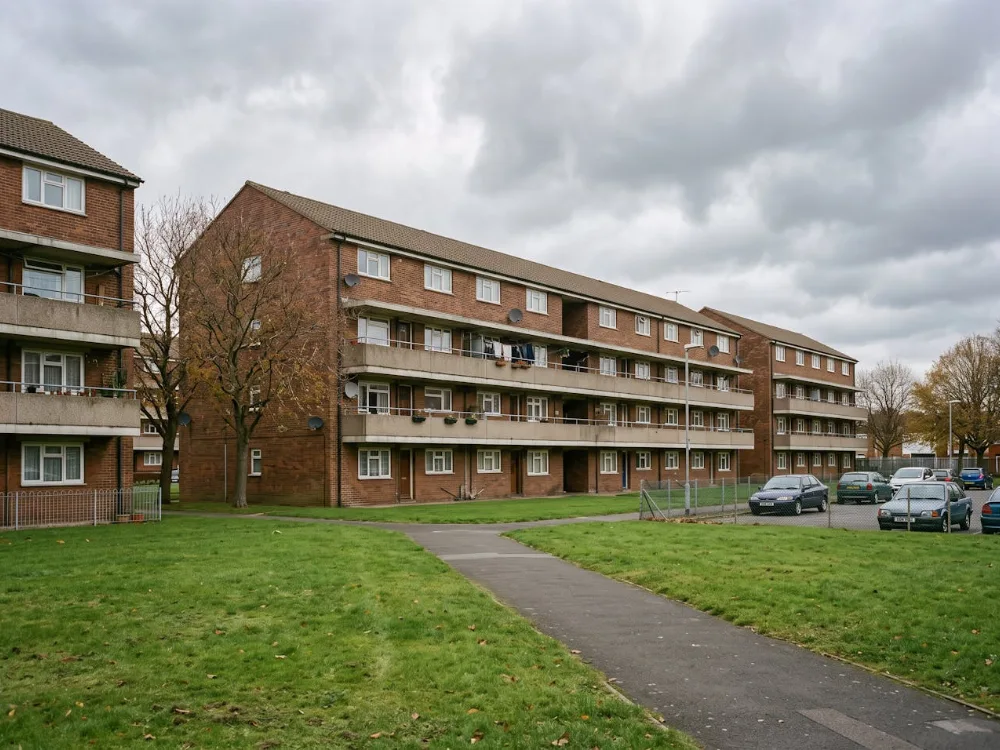
Why “we’ll put it on the list” no longer works
The practical shift is from a judgement about what is reasonable to a date on a calendar. A repairs team that previously scheduled a mould job into the next available slot now has ten working days to investigate and, if the hazard is significant, five to make it safe. That reaches straight into the supply chain: subcontractors, surveyors, specialist cleaners and asbestos contractors all now sit inside somebody else’s statutory deadline.
It also changes what evidence looks like. Dates of first awareness, investigation records, findings and completion dates become the file that demonstrates compliance.
What’s coming next
From late 2026, phase 2 extends the duty to further hazard categories including excess cold and excess heat, falls, structural hazards, fire safety and electrical hazards. Several legal commentators have cited a specific date for that commencement; because sources differ we are not stating one as fact. In 2027 the duty is expected to broaden again, toward almost all HHSRS hazards.
On the private rented sector: the Renters’ Rights Act 2025 created a framework under which the regime could be extended to private landlords. That extension has not happened. Private landlords are not covered today.
Mould is a symptom, not the cause
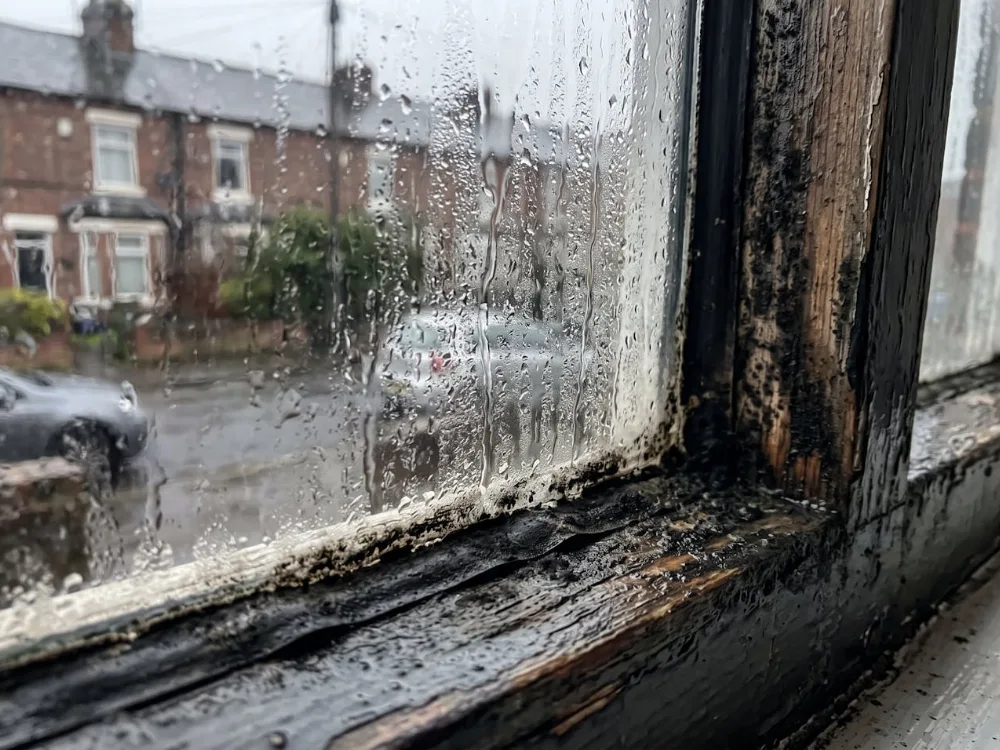
Almost every mould case sits on top of a building fault. Condensation from failed or absent ventilation and from heating that residents cannot afford to run. Penetrating damp from failed roofs, blocked gutters, cracked render and open pointing. Rising damp where a barrier has failed. Cold bridging at lintels, reveals and wall-to-floor junctions, where surface temperature drops below dew point and the moisture in the air has somewhere to land.
Treating the growth without fixing the cause resets the clock, not the problem. The mould returns, the resident reports again, and a new statutory deadline starts.
The asbestos overlap nobody plans for
This is the part that matters most to us as a licensed contractor, and it is the reason this article sits on this site. In pre-2000 stock, the works that fix damp are exactly the works that disturb asbestos.
- Pulling out airing cupboard linings and boiler cupboard panels — frequently asbestos insulating board.
- Drilling through walls and ceilings to install extract ventilation.
- Taking down ceilings and external soffits to trace a leak.
- Lifting floor coverings, where asbestos floor tiles and bitumen adhesive sit underneath.
- Opening risers and service voids to reach pipework.
A five-working-day clock plus an undocumented asbestos-containing material is how a repair becomes an incident. The register has to be in the repairs operative’s hands before the wall is opened, not filed in an office. That is the duty in Regulation 4 of CAR 2012, and it is the duty that speed pressure breaks first. See the duty to manage asbestos, our guide to asbestos in buildings, and our CAR 2012 compliance audits which test whether that information chain actually reaches site.
What we do
We carry out mould remediation alongside licensed asbestos work, so an occupied-property repair does not need two contractors and two mobilisations. Cause investigation, safe removal, anti-microbial treatment and post-works verification, with asbestos handled under licence by the same team where it is present. We work with housing associations and landlords across the UK — see our full range of services.
Sources
Shelter England publishes guidance on the Awaab’s Law timescales, and the Housing Ombudsman has published learning resources for landlords.