GARAGE
What goes wrong with DIY removal
Asbestos cement sheets are brittle: they crack when unbolted, dropped or levered, and every break releases fibres. Old fixings shear, sheets are heavier than they look, and working at height on a fragile roof is genuinely dangerous — falls through asbestos roofs are a recurring cause of death in HSE statistics. Then there is the debris that has collected in the garage for decades, which also needs dealing with.
The disposal problem
Asbestos is hazardous waste. Many household recycling centres refuse it entirely; those that accept it usually take only small, pre-wrapped quantities from residents by appointment. You cannot put it in a skip, a trailer to the tip, or general waste. Professional removal includes consigned disposal at a licensed facility — with paperwork you keep.
What professional removal involves
Our teams unbolt and lower sheets whole, damp them down, wrap and consign all waste, clear the debris and sweep the slab. A single garage is typically a half-day visit, and we can usually quote from photos and dimensions without a site visit. You receive the waste consignment note for your records — useful when you sell the property.
Roof replacement
Most customers replace the roof at the same time with modern box-profile steel or insulated sheets. If you are getting quotes, ask for removal and disposal as a separately itemised line so you can compare like with like.
Is DIY removal actually legal?
For your own home, yes — a householder is allowed to remove asbestos cement from a domestic property, and it is not licensed work. That is not the same as it being sensible. The moment the sheets are on a commercial building, a rented property or a farm, the duty to manage under the Control of Asbestos Regulations 2012 applies and the work has to be done by someone trained and competent, with the right controls and a proper waste route.
The practical problem is that most garage roofs are removed badly. Sheets get dropped, snapped over a knee to fit in a skip, or jet-washed. All three release fibres straight into a garden or yard where the debris then stays.
How to tell asbestos cement from modern sheeting
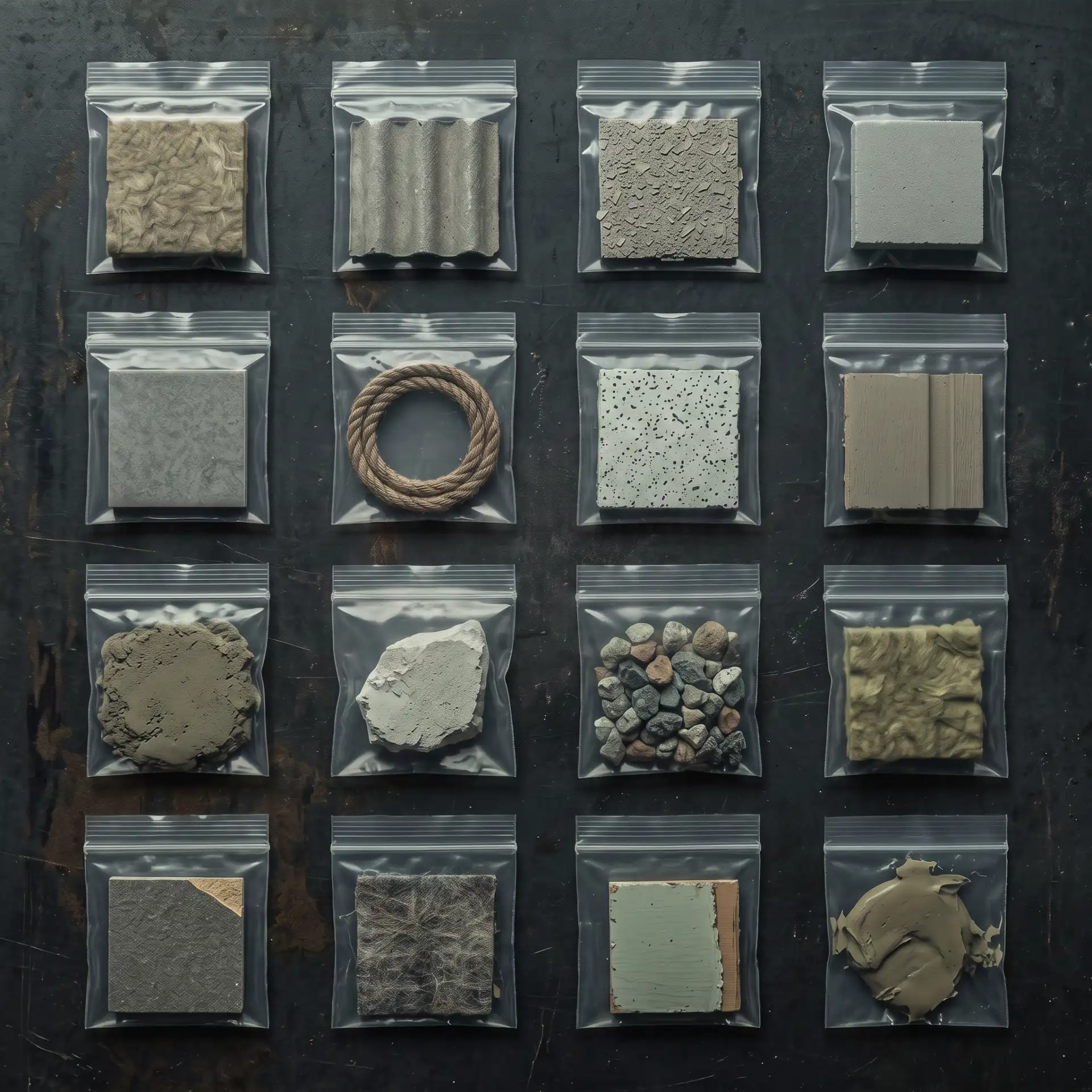
Age is the first clue. Corrugated cement sheeting fitted before 1999 almost always contains chrysotile, and most domestic garages date from the 1960s to the 1980s. Asbestos cement weathers to a dull grey, grows moss along the laps, and is brittle enough to snap rather than flex. Modern fibre cement looks cleaner, is usually lighter in colour and carries a manufacturer stamp on the underside.
None of that is proof. Only laboratory analysis of a sample confirms it, which is why we offer initial advice from photographs and sample where there is any doubt before quoting. A photograph cannot confirm asbestos.
What changes the price
Sheet count and square metres set the base figure. After that it is access — whether a van can reach the garage, whether the roof can be reached from ground level or needs a tower, and whether the structure is sound enough to work from. Broken sheets and debris on the floor add a clean-up element, and contaminated soil beneath a collapsed roof is priced separately because it has to be dug out and consigned as asbestos waste.
A single intact garage roof is usually a half-day visit. Runs of farm or industrial sheeting are quoted per square metre.
If the sheets are already broken
Do not sweep it and do not put a hoover near it. Keep people and pets off the area, damp the debris down gently with a hose on spray if it is safe to do so, and leave it alone. Send us photographs and we will tell you whether it is a straightforward collection or needs a controlled clean.
Need this dealt with?
Explore our
Asbestos garage removal service, or send a photo of the material via WhatsApp for initial advice. A photograph cannot confirm asbestos; we will explain whether sampling or a survey is appropriate, and provide a written quotation where work is needed.