In May 2026 the HSE published its review of Great Britain’s asbestos control limit, concluding it will remain at 0.1 fibres per millilitre (f/ml), measured as a 4-hour time-weighted average. The review was triggered by the EU cutting its own limit tenfold to 0.01 f/ml, and by the 2022 Work and Pensions Committee report on asbestos management.
The crucial thing to understand: the control limit is not a safe level of exposure — there is no safe level. It is the legal trigger that defines licensed work under CAR 2012. Every asbestos job, licensed or not, must reduce exposure as low as reasonably practicable. The HSE found that compliant work is already designed to keep exposure far below the limit — and that measurement at lower levels presents real practical difficulties.
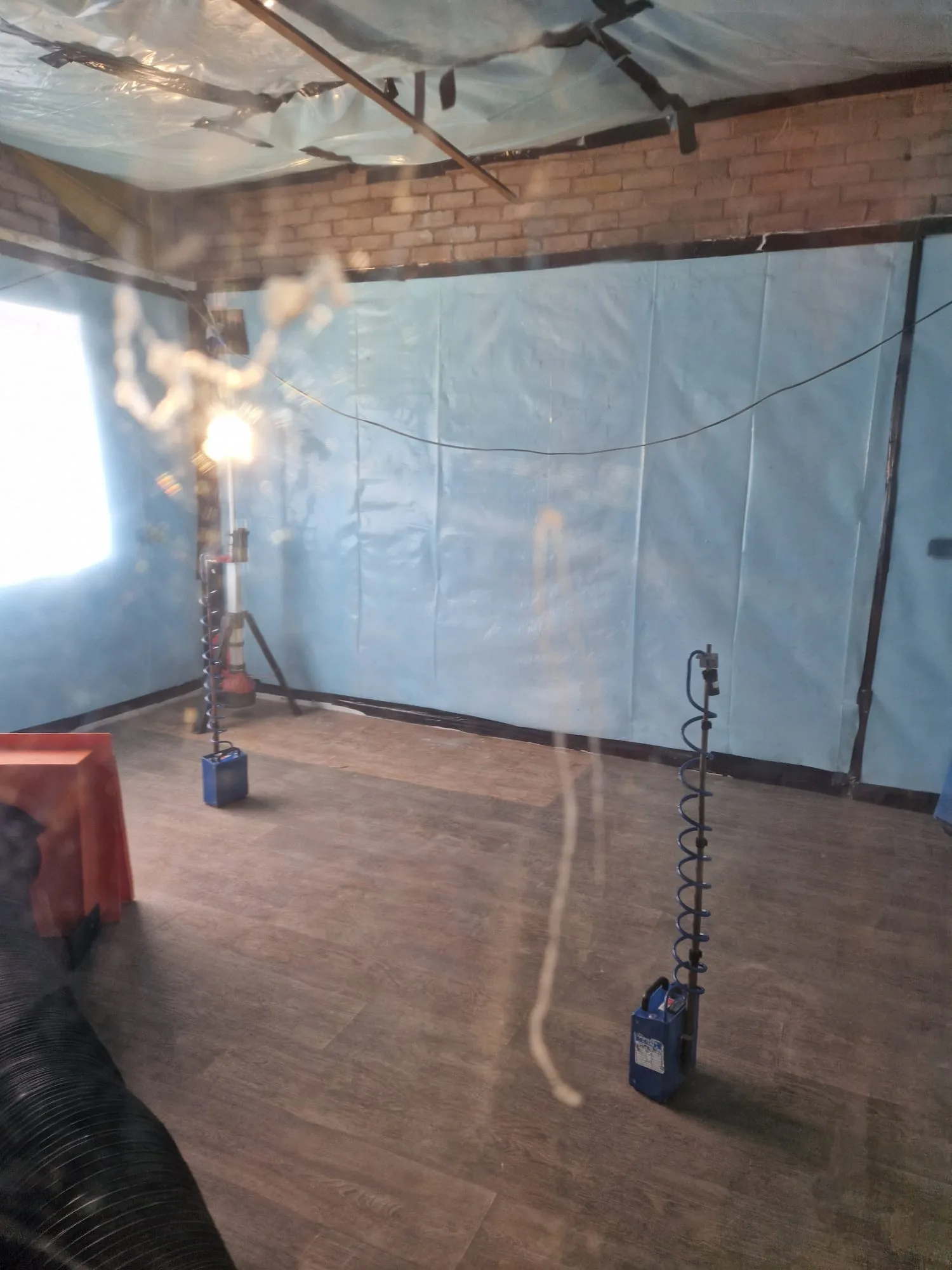
The review’s standout finding, in the HSE’s own words: training, competence, site discipline and regulatory enforcement have a greater influence on reducing asbestos exposure than changing numerical limits. That is precisely the case for using a fully licensed contractor — enclosures, negative pressure, decontamination discipline, personal monitoring, medicals and independent four-stage clearance are what actually protect people, not a number on a page. It’s the standard an unannounced HSE inspection rated excellent on our own site this year.
No regulatory change means no new paperwork — but the review is a clear signal of where enforcement attention sits: on how work is actually done. Check that anyone working with asbestos on your premises holds the right licence for the material, that surveys are current, and that clearance certificates are independent and complete. The HSE will revisit the evidence alongside the EU’s planned 2029 review. The full position is on the HSE media centre, and our licensed asbestos removal service page explains the controls in detail.